





All Categories
Ads On
Raw materials & processed raw materials




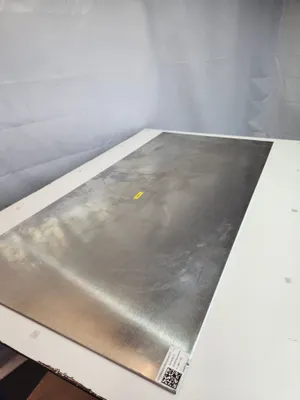
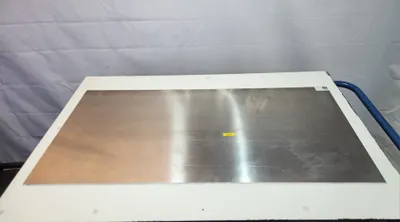

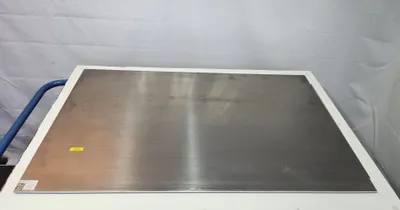
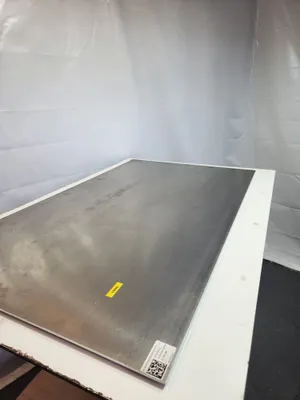
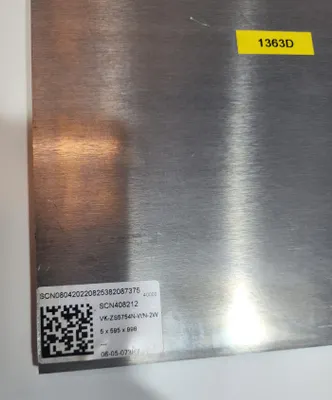


Messenhäuser Straße, Rödermark-Urberach, Deutschland

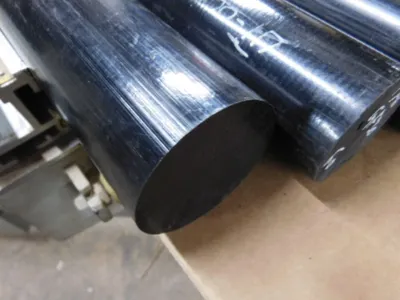
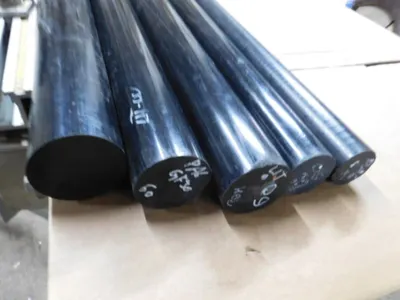
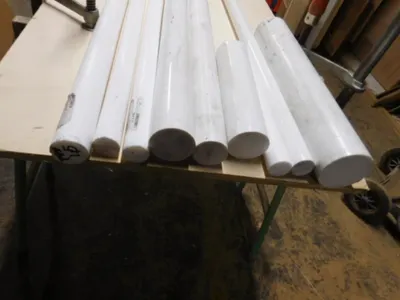
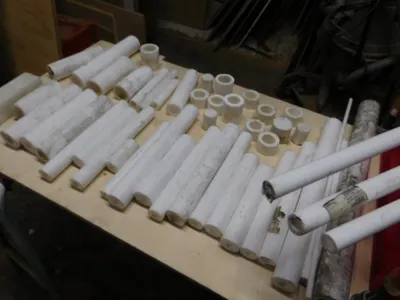
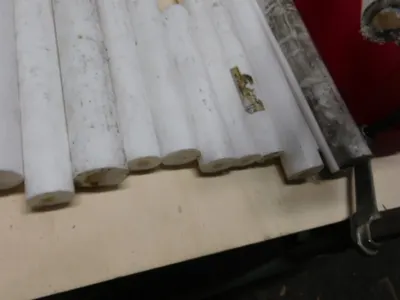
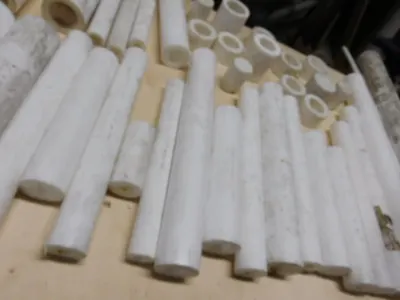
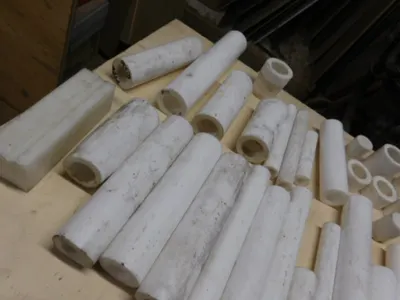
90762 Fürth, Bayern, Deutschland
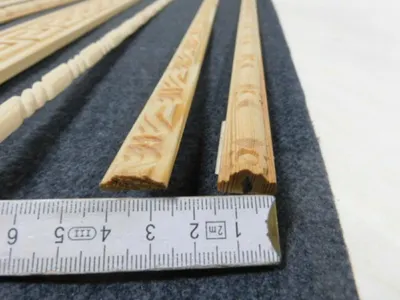

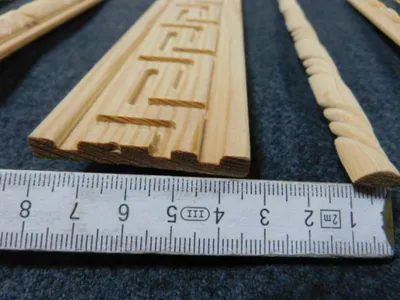

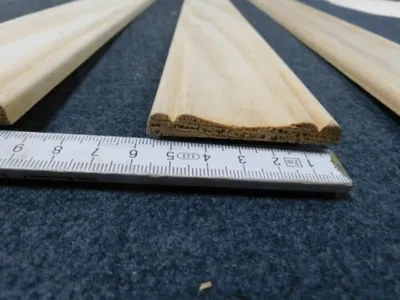
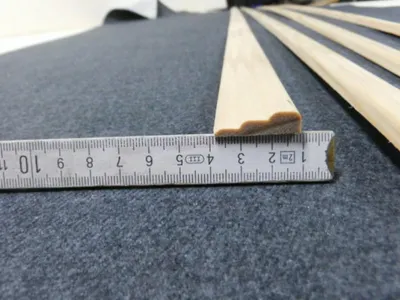



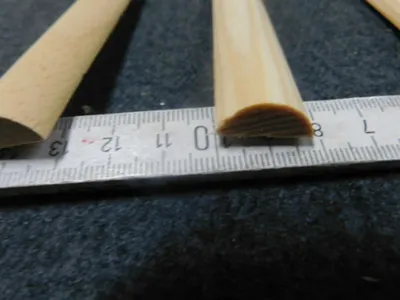



90762 Fürth, Bayern, Deutschland

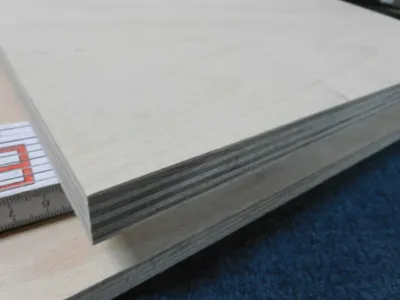



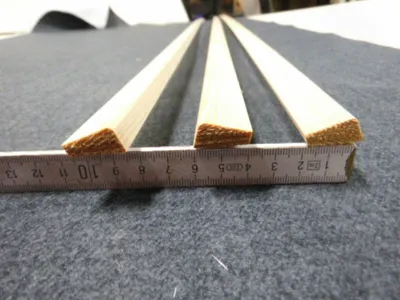
90762 Fürth, Bayern, Deutschland
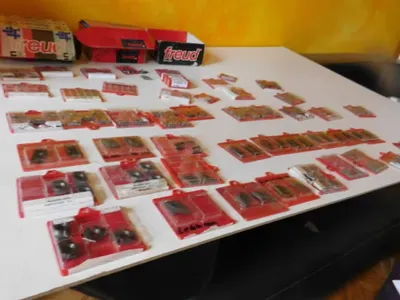

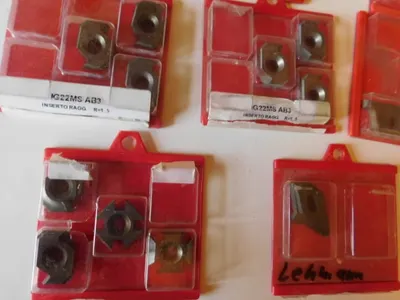
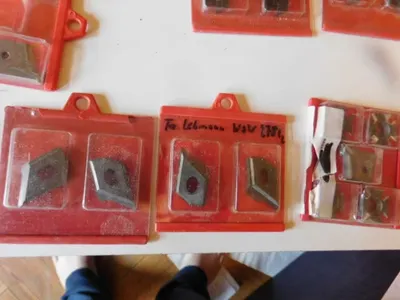


















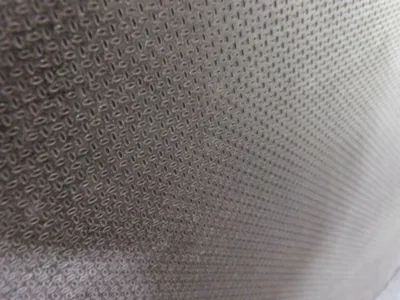
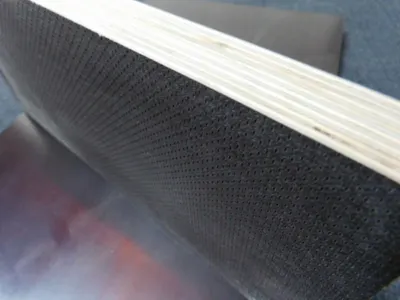
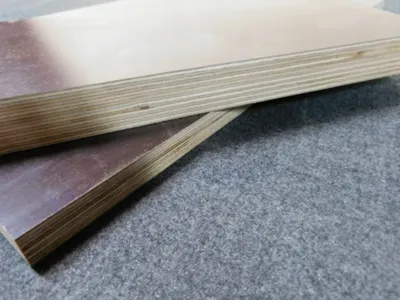
90762 Fürth, Bayern, Deutschland
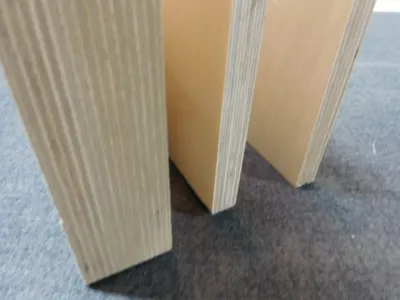


90762 Fürth, Bayern, Deutschland
Raw Materials Suppliers – Industrial Raw Materials Marketplace
Manufacturers need consistent access to the right industrial inputs. Whether you are looking for metal raw materials, plastic resins, chemical intermediates, or processed wood products, the quality and reliability of supply directly affect production schedules and finished-goods performance.
Arico B2B operates as an industrial raw materials marketplace that connects buyers with raw materials suppliers across metals, plastics, chemicals, wood, textiles, and processed grades. The platform is built for B2B purchasing: clear listings, direct supplier contact, and the ability to source both standard and specialty volumes.
Unlike general consumer marketplaces, the focus here stays on industrial quantities, technical specifications, and the commercial terms that matter to procurement teams. Buyers can review concrete offers, request documentation, and open conversations about ongoing supply rather than one-off samples only.
You can browse raw materials suppliers currently active on the category page and open conversations about specifications, quantities, and delivery terms.
Find Reliable Industrial Raw Materials Suppliers
Sourcing industrial raw materials is rarely a pure price decision. Consistency of grade, documentation, packaging, and the supplier’s ability to repeat a delivery all matter more than a one-time low quote. A material that arrives once at a favourable price but cannot be repeated creates more operational risk than value.
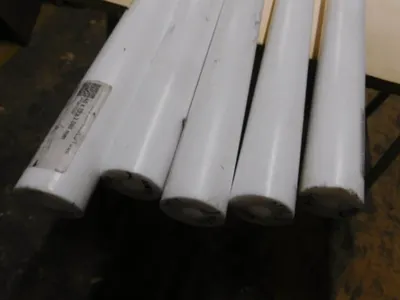
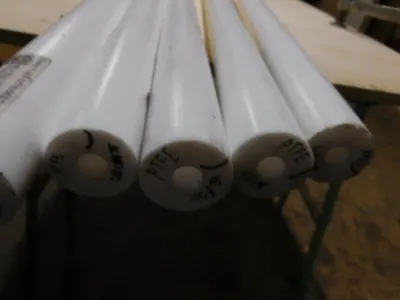
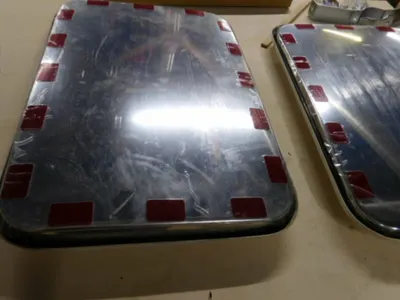
On Arico B2B, buyers can review concrete listings rather than generic company profiles. Current activity includes copper wire, aluminium plate, engineering plastic rods, and various processed wood panels. Each listing carries dimensions, condition, and location, which shortens the qualification cycle for procurement teams.
What industrial buyers typically evaluate before placing an order:
• Exact material grade, alloy designation, polymer type, or chemical specification
• Available quantity and realistic possibility of repeat or scheduled supply
• Certificates of analysis, material test reports, or compliance documents where the application requires them
• Packaging format suitable for the receiving plant, warehouse, or further processing line
• Geographic reach and typical lead times of the supplier
• Responsiveness to technical questions and commercial follow-ups
Suppliers who answer specification questions clearly and provide supporting documents early tend to become preferred partners. The marketplace simply makes the first contact faster and more transparent than traditional cold outreach or trade-show networking alone.
For buyers who manage multiple input streams, the ability to move from a materials search to related equipment or packaging categories on the same platform also reduces friction. A single login and a consistent inquiry process help keep the procurement workflow organised.
Bulk Raw Materials for Manufacturing & Industry
Many production processes require materials in bulk rather than small retail packs. Bulk raw materials purchasing brings different expectations around pricing tiers, logistics, batch consistency, and the commercial relationship itself. A successful bulk arrangement usually starts with a well-specified trial order and then expands once quality and delivery performance are confirmed.
Buyers searching for industrial metals suppliers, plastic raw materials suppliers, or wholesale processed materials can use the category filters and open direct discussions. Some listings already indicate willingness to discuss larger volumes; others respond once the buyer states the approximate annual or project requirement.
Typical bulk and industrial use cases include:
• Metal stock for fabrication, electrical components, structural parts, or secondary processing
• Polymer raw materials and engineering plastics for machining, compounding, or injection processes
• Processed wood panels and profiles for joinery, shopfitting, furniture, or product manufacturing
• Chemical raw materials and intermediates where batch-to-batch consistency is critical to product performance
• Textile raw materials for industrial fabrics, filtration media, or further textile processing
When volumes grow, packaging and logistics become as important as the material itself. Buyers should confirm palletisation, moisture protection, labelling, and any special handling requirements before the first large shipment.
When you find bulk industrial raw materials that match your specification, the practical next step is a direct conversation about volume, frequency, packaging, and commercial terms.
Metals, Plastics, Chemicals & Wood Raw Materials
The industrial materials landscape covers several distinct groups. Understanding the differences helps buyers phrase inquiries more precisely and helps suppliers present the information that actually matters for qualification.
Metal Raw Materials and Industrial Metals Suppliers
Metal raw materials remain central to fabrication, electrical, and machinery supply chains. Listings may include copper wire and rod, aluminium plate and sheet, steel sections, and other non-ferrous or ferrous stock. Buyers looking for industrial metals suppliers should check grade, temper, dimensions, surface condition, and any applicable standards carefully.
Copper and aluminium appear frequently because they serve both electrical and mechanical applications. Surplus or cut-to-size plate can also be useful when a standard distributor cannot supply the exact size needed for a short production run or a prototype series. In those cases, a marketplace listing often fills a gap that traditional stockists leave open.
When evaluating metal offers, request confirmation of the exact alloy or grade designation, any heat-treatment condition, and the measurement method used for thickness or diameter. Small differences in specification can affect downstream machining, welding, or electrical performance.
Plastic Raw Materials Suppliers and Polymer Grades
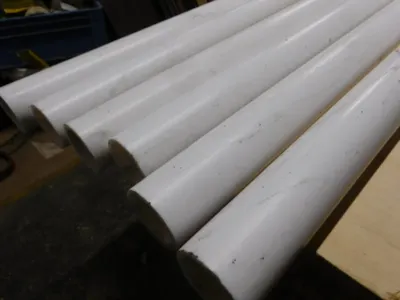
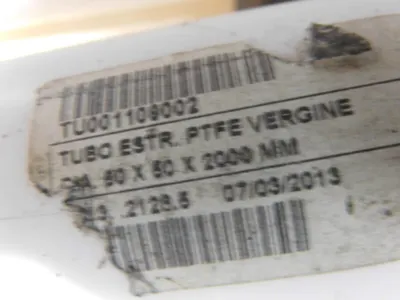
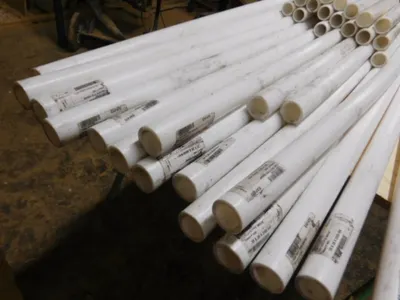
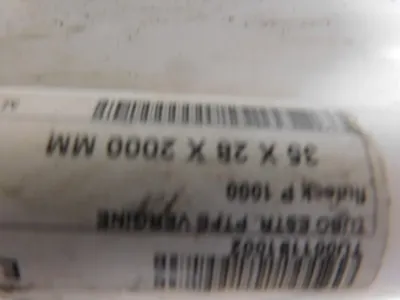
Plastic raw materials suppliers list resins, compounds, and finished stock shapes such as rods, sheets, and tubes. Engineering plastics—POM, PA6, PTFE, and glass-filled grades—are commonly sought for wear parts, bushings, gears, and machined components. Commodity polymers also appear when buyers need larger volumes for compounding or moulding.
When evaluating polymer raw materials, buyers usually confirm the exact polymer family, filler content, colour, melt-flow or viscosity data where relevant, and any regulatory statements required for the end use (food contact, medical, automotive, etc.). Bulk purchases of virgin or reprocessed grades often follow an initial sample or small trial order that proves processability on the buyer’s equipment.
Stock shapes (rod, plate, tube) are particularly useful for low-to-medium volume machining. They reduce the need for large injection-moulding tools when part quantities do not justify tooling investment.
Chemical Raw Materials
Chemical raw materials and intermediates appear less frequently in general marketplaces but remain part of the industrial category structure. Buyers seeking solvents, additives, resins, or specialty chemicals still benefit from clear specification sheets and direct supplier contact.
Because chemical purchases often involve regulatory, safety, and storage considerations, the inquiry should request the latest safety data sheet and certificate of analysis alongside commercial terms. Packaging type (drums, IBCs, bags) and transport classification also affect logistics cost and handling at the receiving site.
Wood Raw Materials and Processed Timber Products
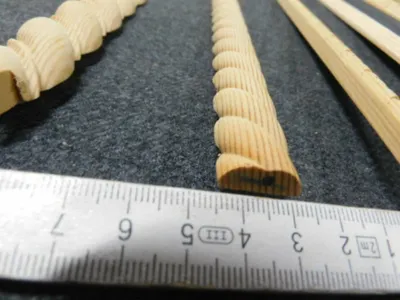
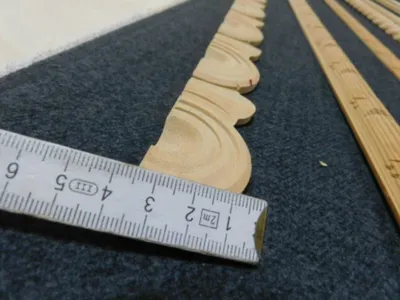
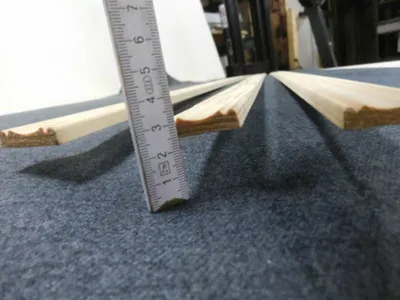
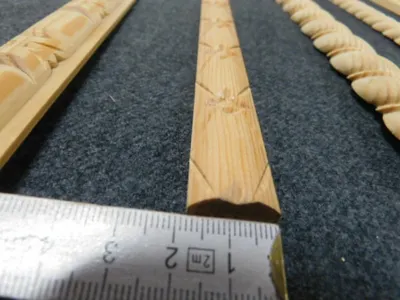
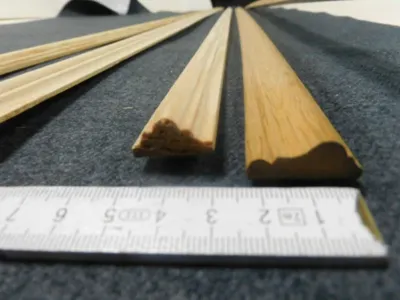
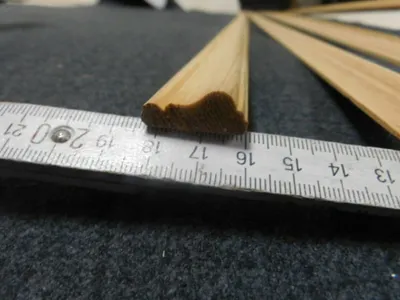
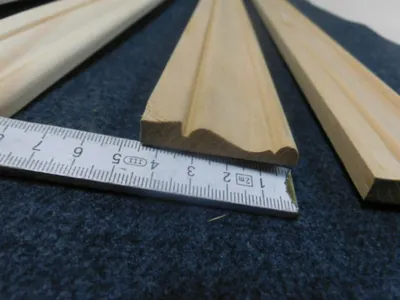
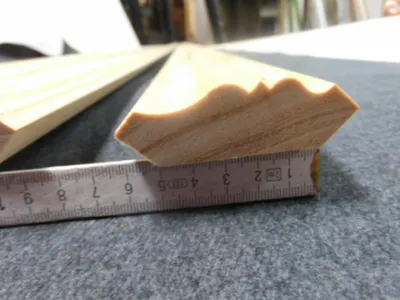
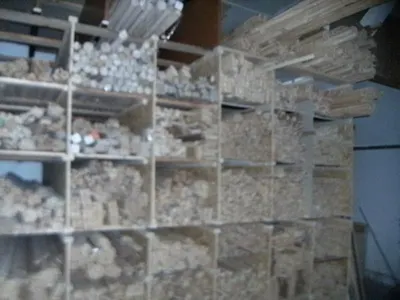
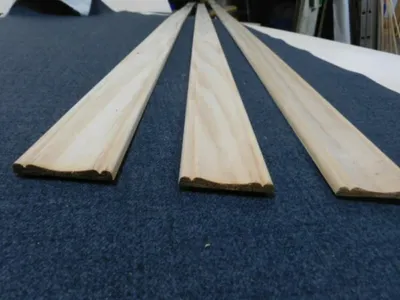
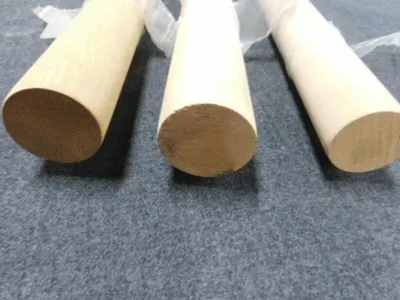
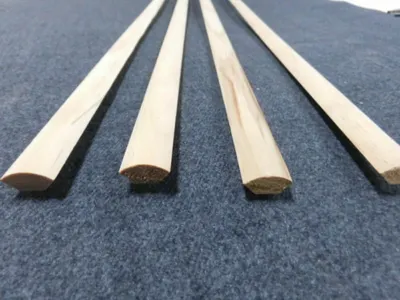
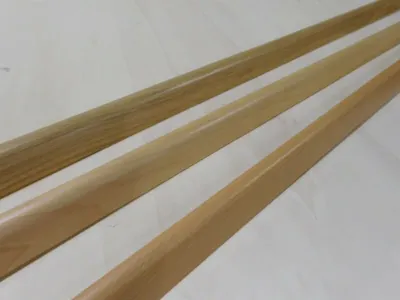
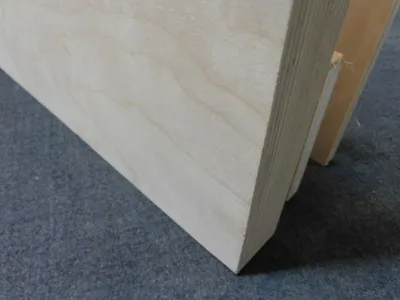
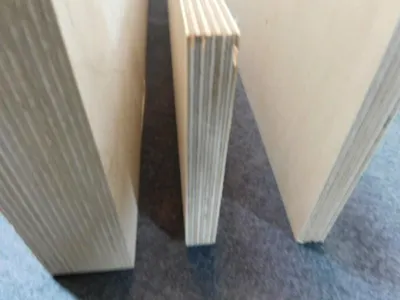
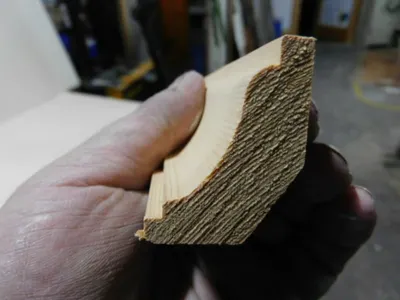
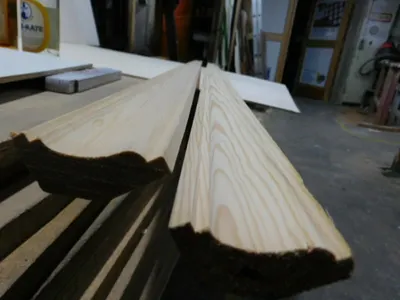
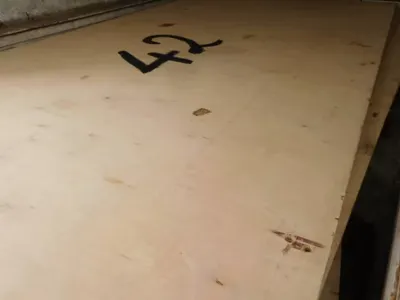
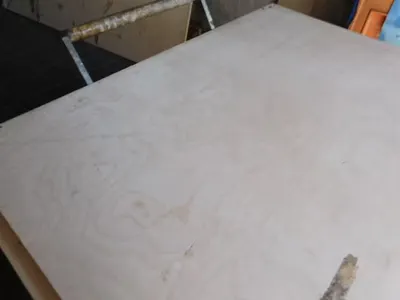
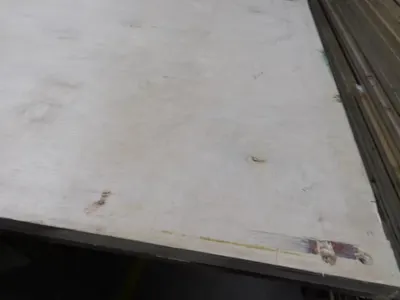
Wood raw materials and processed wood products form a visible part of current listings. Multiplex and birch panels, decorative profiles, cut-to-size boards, and various mouldings are typical examples. These materials serve joinery, shopfitting, furniture, exhibition construction, and industrial packaging applications.
Buyers should confirm species, thickness, board size, surface finish, and any glue or treatment type. Cut-to-size options reduce waste when the final component dimensions are already known. For moisture-sensitive applications, inquire about storage history and packaging protection during transport.
Processed Materials Wholesale for B2B Buyers
Processed materials wholesale arrangements differ from one-off purchases of primary raw stock. A processed grade may already be cut, formed, coated, or otherwise prepared for a specific industrial use. This can shorten internal processing steps for the buyer and reduce scrap rates.
Examples include pre-cut aluminium plate, engineering plastic stock shapes ready for machining, finished wood profiles, and other semi-finished industrial inputs. Wholesale pricing and the possibility of repeat orders become relevant once the material has proven suitable in production and the commercial relationship is established.
You can discover processed materials wholesale opportunities by reviewing current listings and opening discussions about ongoing supply rather than single transactions only.
Textile Raw Materials and Other Industrial Inputs
Textile raw materials serve industrial fabric, filtration, reinforcement, and technical textile applications as well as conventional textile manufacturing. While current listing volume in this segment is lower than in metals or wood, the category structure supports growth as more suppliers add fibre, yarn, and fabric inputs.
Other industrial inputs—minerals, rubber compounds, specialty fibres, and miscellaneous process materials—can also appear under the broader raw materials umbrella. Buyers with non-standard or intermittent requirements still benefit from placing a clear request and allowing matching suppliers to respond. The platform’s matching logic and direct messaging support these less frequent but still valuable connections.
How to Buy Raw Materials Online Through Arico B2B
Buying raw materials online follows a practical sequence. The goal is to move from a clear requirement to a verified commercial agreement without unnecessary back-and-forth or mismatched deliveries.
1. Define the material precisely. Grade, dimensions, quantity, surface condition, and any required standards or certificates should be written down before searching.
2. Search and filter. Open the raw materials category and review metals, plastics, wood, chemicals, or other available groups.
3. Review listing details. Check dimensions, condition, quantity, location, and any technical notes provided by the supplier.
4. Request missing information. Ask for certificates, batch consistency data, samples, or previous industrial references when the application is critical.
5. Agree commercial and logistics terms. Price, payment, packaging, delivery window, Incoterms (if cross-border), and acceptance criteria should be explicit before shipment.
Most successful transactions begin with a precise inquiry rather than a generic request for “best price.” Suppliers respond more usefully when they understand the exact requirement and the intended use.
Start by reviewing the current selection: see all raw and processed materials listed on the platform.
Key Categories of Industrial Raw Materials at a Glance
The table below summarises the main material groups relevant to industrial buyers and the typical questions each group raises during qualification.
Material Group
Typical Items
Buyer Focus
Metal raw materials
Copper wire, aluminium plate, steel stock
Grade, dimensions, surface condition
Plastic / polymer
Resins, rods, sheets, compounds
Polymer type, filler, regulatory status
Chemical raw materials
Intermediates, additives, solvents
Purity, SDS, COA, packaging
Wood raw materials
Panels, profiles, timber products
Species, thickness, cut-to-size options
Textile raw materials
Fibres, yarns, technical fabrics
Composition, weight, end-use suitability
Processed materials
Cut, formed, or finished industrial stock
Ready-to-use dimensions, repeatability
This overview is not exhaustive. New material types appear as suppliers add inventory. Buyers with specialised needs should still post a clear inquiry even if the exact grade is not yet visible in the listings.
Benefits of an Industrial Raw Materials Marketplace
Traditional material sourcing relies on established distributors, mills, and local stockists. Those channels work well for standard grades and high recurring volumes. They leave gaps when the need is specialised, surplus, time-sensitive, or outside the usual distributor catalogue.
A dedicated marketplace addresses several of those gaps:
• Access to specialised and surplus stock that does not fit standard distributor catalogues
• Visibility for smaller and regional suppliers who lack extensive marketing reach or large sales teams
• Direct technical and commercial contact without intermediate layers that slow responses
• Complementary categories on the same platform—machinery, tools, and packaging materials—so that multi-input procurement stays organised
Buyers who also need packaging solutions can explore packaging materials for industry in the related category. Those sourcing production equipment can review the industrial machines section in parallel.
The combination of material, machine, and packaging categories on one platform reduces the number of separate portals a procurement team must monitor and the number of different inquiry processes they must manage.
Practical Checklist Before Placing a Raw Materials Order
A short internal checklist reduces the risk of mismatched material arriving at the plant and the cost of subsequent returns or rework:
• Written specification covering grade, dimensions, quantity, surface condition, and any applicable standards
• Confirmation of packaging format compatible with receiving, storage, and further processing
• Request for certificates or test reports when the application is regulated or performance-critical
• Clear agreement on lead time, shipping method, and Incoterms if the transaction is cross-border
• Named contact person on both sides for technical and logistics questions
• Acceptance criteria and a defined process for non-conforming material
• Confirmation of payment terms and any deposit or inspection requirements before shipment
Taking these points in order does not slow the process; it prevents the longer delays that follow an incomplete or ambiguous first order.
Connecting Materials with Machinery and Packaging Needs
Raw materials rarely stand alone in a manufacturing operation. Buyers often need matching processing equipment and suitable packaging for intermediate or finished goods. Keeping these related searches on the same platform simplifies coordination.
Arico B2B hosts parallel categories for industrial machines and components so that a procurement team can locate both material inputs and the equipment that processes them. The same holds for packaging: industrial packaging materials sit in their own category for buyers who manage both process inputs and outbound protection.
This co-location reduces the number of platforms a buyer must visit when building or adjusting a supply chain and keeps supplier conversations in a consistent environment.
Common Questions from Industrial Buyers
How do I verify a raw materials supplier on the platform?
Review the listing details carefully, check the company profile, and open a direct conversation. Ask for material certificates, recent supply references in similar applications, and confirmation of available quantity. Start with a smaller trial quantity when the material is critical to production or when the supplier is new to your organisation.
Can I source both virgin and recycled or surplus materials?
Yes. Listings may include new stock, surplus, reprocessed, or processed grades. Always confirm the exact condition, any previous use, and the documentation that accompanies the material so that it matches the intended application and any regulatory requirements.
Is bulk pricing available?
Many suppliers are open to volume discussions. State the approximate annual or project volume in the initial inquiry so the supplier can respond with realistic pricing, packaging options, and logistics arrangements. Bulk raw materials agreements often develop after one or two successful smaller transactions.
What about international shipments?
Suppliers list their location. Cross-border transactions require agreement on Incoterms, documentation, any import restrictions that apply to the material, and who bears which costs and risks. These points should be clarified in writing before any commitment or deposit.
How does the raw material marketplace relate to machinery categories?
They are complementary. Many buyers source both the material and the machines that process it. Keeping both categories on the same platform allows parallel searches and consistent supplier communication without switching between unrelated systems.
Start Sourcing Industrial Raw Materials
Whether you need metal raw materials for fabrication, polymer stock for machining, chemical intermediates, textile inputs, or processed wood products, the practical first step is to review current listings and open a clear conversation with the relevant suppliers.
Visit the category page to browse raw materials suppliers, explore metals and plastic raw materials, and view chemical and wood raw materials that match your production requirements.
Arico B2B is designed as a working industrial marketplace: direct contact, transparent listings, and the ability to move from inquiry to ongoing supply once the material and the commercial relationship have proven themselves. The same platform also hosts the machinery and packaging categories that frequently accompany raw-material procurement decisions.
Related categories on Arico B2B
• Industrial machines and components – equipment that processes the materials you source
• Packaging materials for industry – protection and logistics packaging for industrial goods
• Arico B2B homepage – full platform overview and other industrial categories