



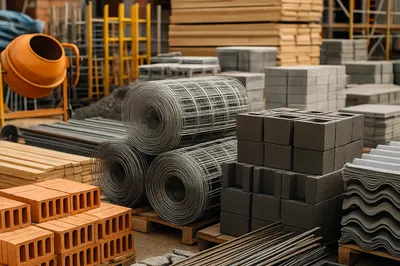

All Categories
Potential suppliers on Construction & building materials:
 Wire Belt Company Osterloh GmbH
Ads On
Construction & building materials





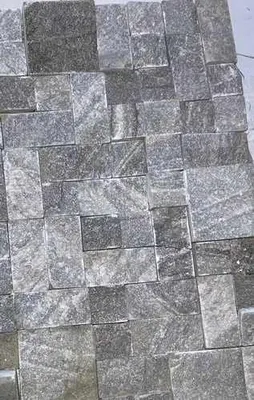
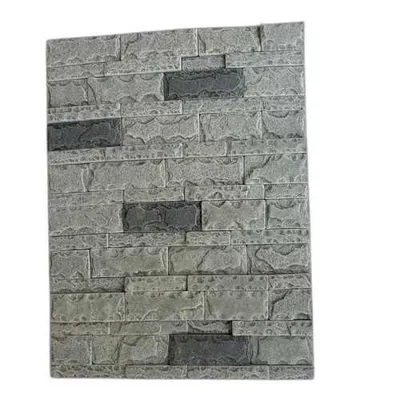


11-49/1, Aditya Nagar, Rajamahendravaram, Andhra Pradesh 533103, Indien

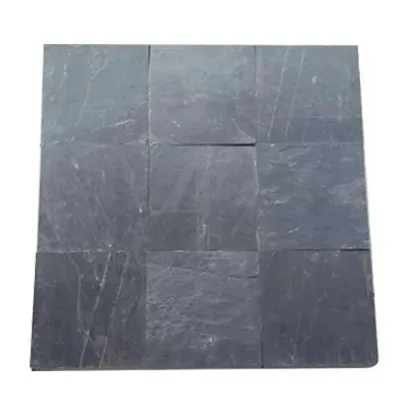
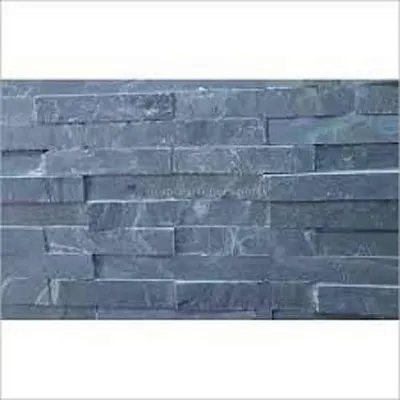

11-49/1, Aditya Nagar, Rajamahendravaram, Andhra Pradesh 533103, Indien


11-49/1, Aditya Nagar, Rajamahendravaram, Andhra Pradesh 533103, Indien
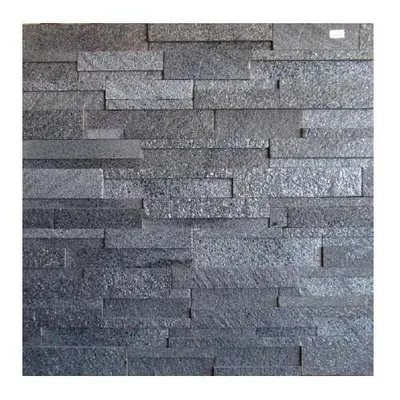
11-49/1, Aditya Nagar, Rajamahendravaram, Andhra Pradesh 533103, Indien
Jeser Al Arab General Trading LLC, Liwara 2 - Ajman - United Arab Emirates



11-49/1, Aditya Nagar, Rajamahendravaram, Andhra Pradesh 533103, Indien
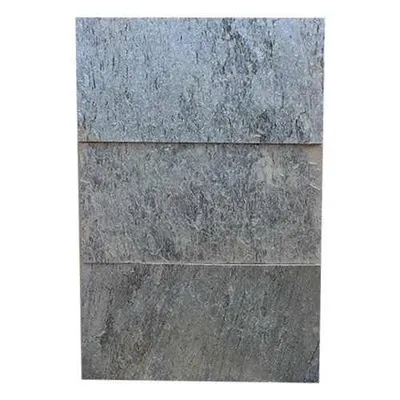



11-49/1, Aditya Nagar, Rajamahendravaram, Andhra Pradesh 533103, Indien
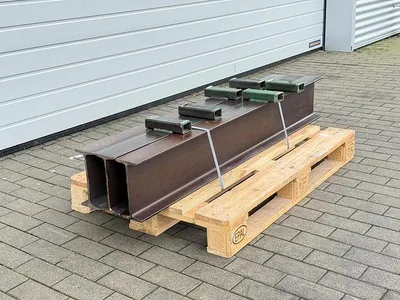
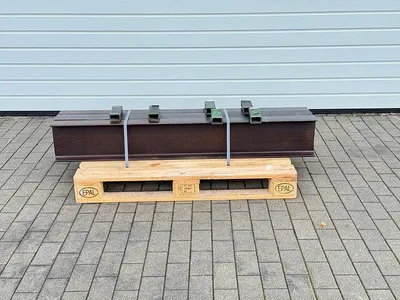
Ernst-Bauer-Straße 3+5, 97941 Tauberbischofsheim, Deutschland




no 112 Gangyao Road, Lubei District, Tangshan, Hebei, China






no 112 Gangyao Road, Lubei District, Tangshan, Hebei, China

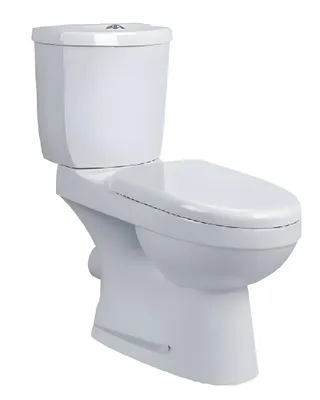
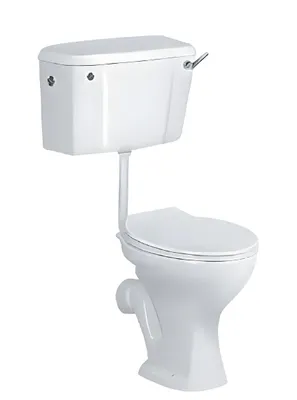
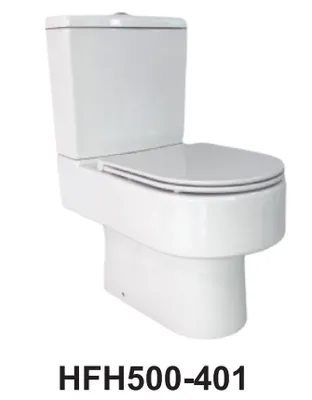
no 112 Gangyao Road, Lubei District, Tangshan, Hebei, China
Building Materials Suppliers – Construction Materials Wholesale
Contractors, developers, and industrial buyers need reliable access to construction materials that meet project specifications, delivery schedules, and commercial terms. Finding building materials suppliers who can deliver consistent quality at wholesale volumes is rarely straightforward when sources are scattered across regions and communication channels.
Arico B2B functions as a construction materials wholesale marketplace where producers, traders, and buyers connect directly. The platform lists industrial building materials, windows and doors, flooring, scaffolding systems, paints and coatings, facade products, and other construction supplies in one place so procurement teams can review current offers and open conversations without intermediate layers.
Unlike general consumer marketplaces, the focus remains on industrial and commercial quantities, technical specifications, and the commercial terms that matter to project buyers. Listings carry location, condition, and product detail so that a procurement manager can assess suitability before initiating contact.
You can browse building materials suppliers currently active on the category page and move from specification review to direct inquiry in a single workflow.
Wholesale Construction Materials for Contractors
Wholesale purchasing differs from retail or small-batch orders. Contractors and project buyers typically require volume pricing, confirmed lead times, technical documentation, and the ability to repeat or schedule deliveries as phases of a project advance. Construction materials wholesale arrangements also demand clarity on packaging, transport readiness, and compliance with relevant standards.
On Arico B2B, buyers can filter and review listings that reflect industrial quantities rather than sample packs. Current activity includes natural stone products, building elements, site equipment, and related construction supplies. The platform structure supports both one-off project needs and longer-term supply relationships.
What contractors and procurement teams usually evaluate first:
• Material grade, standard, or performance specification required by the project
• Available quantity and realistic possibility of follow-on or phased supply
• Certificates, test reports, or conformity documents where the application requires them
• Packaging and handling format suitable for site or warehouse receipt
• Geographic reach of the supplier and typical lead times
• Responsiveness to technical questions and commercial follow-ups
Suppliers who answer specification questions clearly and provide supporting documents early tend to become preferred partners. The marketplace simply makes those conversations easier to start. Buyers who manage multiple material streams also benefit from the ability to review related categories without switching platforms.
For larger projects, phased delivery schedules matter as much as unit price. A supplier who can confirm availability windows aligned with construction phases reduces the risk of idle labour or storage congestion on site. These practical details are best clarified early in the inquiry process.
Buyers who manage both materials and equipment can explore construction materials wholesale alongside related industrial machinery and logistics categories on the same platform.
Find Building Materials Suppliers Online
Traditional sourcing often involves multiple phone calls, incomplete catalogues, and delayed responses. An online building materials marketplace reduces friction when listings include concrete technical data, condition notes, and location information. Buyers can compare options side by side before initiating contact.
Arico B2B is designed for B2B purchasing. Registration and listing activity focus on companies acting as producers, traders, or industrial buyers. This keeps the conversation commercial and reduces noise from consumer-level inquiries.
Practical advantages of sourcing construction supplies B2B through a dedicated platform include:
• Direct contact with the listing supplier rather than layered intermediaries
• Visibility of current stock or production capability instead of generic capability statements
• Ability to post demand advertisements so suppliers can respond to specific project needs
• Access to related categories such as industrial machines, raw materials, and transport equipment in one environment
When a project requires both heavy construction materials and matching site equipment, the ability to move between categories without leaving the platform shortens the overall sourcing cycle. Procurement teams that previously maintained separate supplier lists for materials, equipment, and logistics can consolidate more of that work into a single professional environment.
Demand advertisements are particularly useful when the exact product is still being defined or when multiple suppliers need to be invited to respond. A clear statement of quantity range, performance requirements, and delivery location attracts more relevant replies than a broad open request.
Windows, Doors, Flooring & Scaffolding Materials
Beyond primary structural inputs, many projects depend on specialist product groups. Windows and doors suppliers, flooring materials wholesale sources, and scaffolding systems form part of the broader construction supply chain and appear within the same category structure.
Windows and Doors Suppliers
Windows and doors influence energy performance, security, acoustic behaviour, and architectural appearance. Buyers typically specify frame material, glazing type, thermal and acoustic ratings, hardware sets, and delivery configuration. Industrial and commercial projects often require larger volumes or custom sizes that retail channels cannot support.
When reviewing offers from windows and doors suppliers, request confirmation of:
• Frame system and material (aluminium, PVC, timber, or hybrid)
• Glazing specification and U-value or Rw performance where relevant
• Hardware and locking systems included or available as options
• Production lead times for standard and non-standard dimensions
• Packaging and site delivery arrangements
Lead times for non-standard sizes can extend significantly. Early confirmation of production capacity and transport planning helps keep facade and interior programmes on schedule. Suppliers who provide clear drawings or configuration sheets early in the discussion reduce the risk of later mismatches.
You can view windows, doors and flooring materials currently listed and open direct discussions with the suppliers.
Flooring Materials Wholesale
Flooring materials wholesale purchases cover a wide range of substrates and finishes: ceramic and porcelain tiles, natural stone, wood and laminate systems, resilient coverings, and industrial floor coatings. Project buyers usually need consistent batches, clear installation guidance, and documentation for wear class or slip resistance.
Natural stone tiles and cladding products already appear among current listings. Buyers evaluating stone should confirm thickness, surface finish, edge treatment, and any sealing recommendations. Cut-to-size options reduce waste when final dimensions are known early.
Batch consistency matters for large floor areas. Colour or texture variation between production runs can create visible transitions that are difficult to correct after installation. Requesting batch identification and sample approval processes up front protects the final appearance of the floor.
Scaffolding for Sale and Formwork Systems
Scaffolding and formwork systems are capital or rental-intensive items that affect site productivity and safety. Buyers looking for scaffolding for sale typically specify system type (frame, modular, tube-and-fitter), load class, height capability, and condition. Used systems remain common when projects have defined durations and residual value matters.
Key checks before purchasing scaffolding or formwork include:
• System standard and compatibility with existing inventory if mixed fleets are used
• Condition of uprights, decks, braces, and connectors
• Availability of accessories such as base plates, toe boards, and safety components
• Documentation of inspection history where required by local regulations
Mixing system types without clear compatibility data creates safety and productivity risks. Buyers who already operate a particular system often prioritise matching components even when the unit price of an alternative appears lower. Clear system identification in listings helps avoid these mismatches.
Buyers can discover scaffolding and formwork systems within the construction and building materials category and related industrial equipment listings.
Industrial Building Materials and Heavy Construction Materials
Industrial building materials and heavy construction materials serve both structural and finishing roles. Aggregates, concrete-related products, steel sections, masonry units, insulation systems, and specialised panels all fall under this broader heading. Volume, consistency, and logistics often matter as much as unit price.
Heavy construction materials typically require coordinated transport and site handling. Buyers should clarify whether the supplier arranges delivery, what vehicle access is needed at the receiving location, and how materials will be unloaded. Incomplete logistics planning frequently causes delays that outweigh small differences in material cost.
For bulk or high-density materials, transport cost can represent a significant share of the delivered price. Proximity of the supplier or intermediate stock location therefore becomes a practical filter alongside technical suitability. Listings that include location data allow buyers to estimate these costs earlier.
Industrial Building Materials Marketplace
An industrial building materials marketplace works best when listings carry enough technical detail for a qualified buyer to assess suitability without multiple clarification rounds. Dimensions, grades, standards, condition, and location should be visible. Quantity and packaging notes further reduce uncertainty.
Arico B2B organises construction and building materials so that buyers can move from broad category views into more specific product groups. This structure supports both targeted searches and broader market scanning when exact product choices are still under discussion.
The building materials marketplace approach also benefits suppliers who want international visibility without building a full independent e-commerce presence. A completed company profile and detailed listings provide a professional digital presence that can be reached by buyers searching within the platform or via external search channels.
Facade Materials
Facade materials determine weather protection, thermal performance, and visual character. Options range from natural stone cladding and HPL panels to metal systems, render carriers, and composite solutions. Current platform activity includes HPL facade panels and natural stone cladding products that illustrate the range of offers buyers may encounter.
When evaluating facade materials, request:
• Panel or unit dimensions and thickness
• Surface finish and colour stability data where relevant
• Fixing system recommendations and compatibility notes
• Fire classification and any reaction-to-fire documentation
• Weathering and maintenance guidance
Facade systems often interact with insulation, structural supports, and window or door openings. Early coordination between material selection and detailing reduces the risk of on-site adaptations that add cost and time. Suppliers who can provide typical fixing details or reference projects help accelerate that coordination.
You can find paints, coatings and facade materials among current construction category listings and open technical discussions with the listed suppliers.
Paints and Coatings Industrial
Industrial paints and coatings serve protective as well as decorative functions. Anti-corrosion systems, floor coatings, facade paints, and specialised industrial finishes appear in construction and industrial supply chains. Buyers usually specify substrate, exposure conditions, required film thickness, and curing or overcoating windows.
Technical data sheets and safety data sheets should be requested early. Application method, surface preparation requirements, and expected service life under the intended exposure class influence total cost more than the unit price of the coating alone.
For industrial floor coatings and heavy-duty protective systems, surface preparation quality often determines performance more than the coating product itself. Buyers should confirm recommended preparation standards and whether the supplier or an approved applicator can support the installation phase.
Sustainable Building Materials
Interest in sustainable building materials continues to grow as projects pursue certification targets, lower embodied carbon, or improved indoor environmental quality. Recycled-content products, low-emission finishes, bio-based materials, and systems designed for disassembly or reuse all fall under this heading.
Claims of sustainability should be supported by documentation. Buyers evaluating sustainable building materials typically look for:
• Recycled or renewable content percentages with clear system boundaries
• Environmental product declarations or equivalent third-party data where available
• Low-VOC or low-emission certifications for indoor applications
• End-of-life or recyclability information relevant to the project strategy
Not every listing will carry full sustainability documentation. When a project requires it, the inquiry should state the required evidence clearly so suppliers can respond with appropriate data or alternative products. Transparent communication on this point saves time for both sides.
Sustainable options sometimes carry higher unit costs. Procurement teams should weigh those costs against potential certification benefits, operational energy savings, or longer service life. Clear performance data allows a more balanced comparison than marketing claims alone.
Construction Equipment Suppliers and Site Support
Construction equipment suppliers complement material sourcing. Scaffolding systems, formwork, temporary works, and site tools often need to be coordinated with material deliveries. Buyers who source both materials and equipment on the same platform reduce the number of separate inquiry processes they must manage.
Related equipment categories include tools and equipment for construction as well as industrial trucks and material handling solutions that support site logistics.
Construction equipment decisions typically consider duty cycle, residual value, transport between sites, and compatibility with existing fleets. Used equipment remains attractive for defined project durations when condition and service history can be verified.
Site productivity depends on the timely arrival of both materials and the equipment needed to handle or install them. Coordinating these streams through a common platform reduces the risk of one side of the supply chain arriving before the other is ready.
How to Source Construction Supplies B2B on Arico B2B
Effective B2B sourcing starts with clear requirements. Vague requests generate vague replies. The more precise the specification, quantity range, location constraints, and timeline, the more useful the responses tend to be.
Recommended approach for buyers:
• Define the material or system type, relevant standards, and key performance requirements
• State approximate quantity and whether the need is one-off or potentially repeating
• Note delivery location or preferred origin regions
• Request certificates, test reports, or sample availability where the application is critical
• Review current listings before posting a demand advertisement so you understand market activity
Suppliers benefit from complete listings. Technical data, clear photos, condition notes, and realistic quantity information reduce unnecessary clarification and attract more qualified inquiries. Incomplete listings force buyers to ask basic questions that could have been answered in the product description.
Arico B2B does not become a party to the contracts concluded between users. Commercial terms, payment, delivery, and after-sales arrangements are agreed directly between buyer and supplier. The platform’s role is to make the initial connection efficient and transparent.
Connecting Materials with Machinery and Logistics
Construction materials rarely stand alone. Buyers often need matching processing or handling equipment and reliable logistics for inbound deliveries. Keeping related searches on the same platform simplifies coordination.
Buyers who also source production or site equipment can review industrial machines and components in parallel. Those managing warehouse or site transport can explore industrial trucks and material handling equipment within the same ecosystem.
Raw material inputs that feed further processing can be reviewed under raw materials and processed materials. The combination of material, machine, and logistics categories reduces the number of separate portals a procurement team must monitor.
This integrated view is particularly useful for companies that both manufacture and install, or for contractors who manage material procurement and temporary works equipment under the same project budget. Fewer platforms mean fewer logins, fewer inquiry formats, and a clearer overview of open conversations.
Frequently Asked Questions
What types of construction materials are commonly listed?
Listings currently include natural stone tiles and cladding, building elements and accessories, site equipment, and related construction products. The category structure also covers windows and doors, flooring, formwork and scaffolding, coatings, facade systems, and sustainable building materials as activity grows.
Can I source both new and surplus or residual materials?
Yes. Some suppliers list residual panels, cut-to-size stock, or surplus quantities alongside standard production offers. Buyers should confirm exact dimensions, surface condition, and remaining quantity before committing.
How do I evaluate scaffolding or formwork offers?
Check system type, condition of primary components, compatibility with any existing fleet, and availability of safety accessories. For used systems, request recent inspection records where local regulations require them.
Does Arico B2B sell the materials directly?
No. Arico B2B connects buyers and suppliers. Contracts, payment terms, delivery, and after-sales support are agreed directly between the parties.
What documentation should I request for cross-border purchases?
Typical requirements include technical specifications, conformity or test documentation where applicable, proof of origin or ownership for used items, and clarity on packaging, transport, and any export formalities. Always confirm these points early in the conversation.
How quickly can I expect responses from suppliers?
Response times vary by supplier and the completeness of the inquiry. Clear technical specifications and quantity ranges generally receive faster and more useful replies than open-ended requests.
Are sustainable building materials available on the platform?
Sustainable options appear as activity grows. Buyers seeking recycled-content, low-emission, or certified products should state documentation requirements in the inquiry so suppliers can respond with appropriate evidence or alternatives.
Next Steps for Buyers and Suppliers
Buyers ready to source building materials suppliers or construction materials wholesale volumes can start by reviewing current listings, filtering by product type and location, and sending targeted inquiries. Specifying performance requirements, quantities, and delivery constraints up front improves the quality of offers received.
To review the full current range, see all construction and building materials listed by active suppliers.
Suppliers who want to reach industrial and contractor buyers can register, complete a company profile, and publish detailed listings. Clear technical data and responsive communication remain the strongest signals of reliability in a competitive B2B environment.
Arico B2B continues to expand category coverage across industrial machines, raw materials, packaging, transport equipment, and construction supplies so that procurement teams can handle more of their sourcing needs in one professional environment. The combination of material, equipment, and logistics visibility supports more complete project planning from the first inquiry onward. Call Arico experts.
Potential suppliers on Construction & building materials:
Wire Belt Company Osterloh GmbH