





All Categories
Ads On
Laboratory & precision equipment

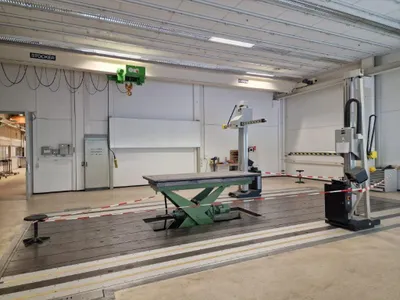
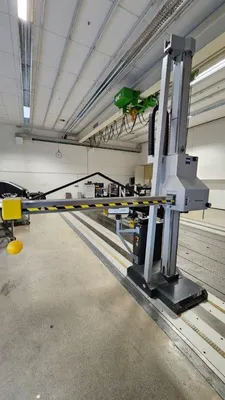
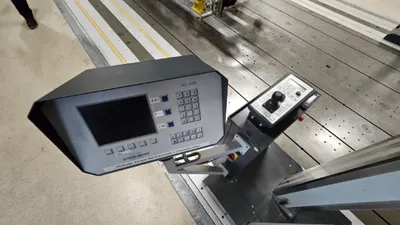
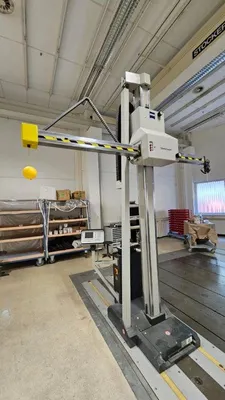
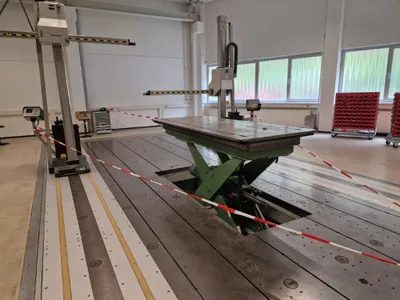
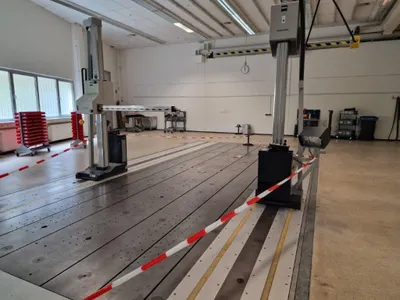
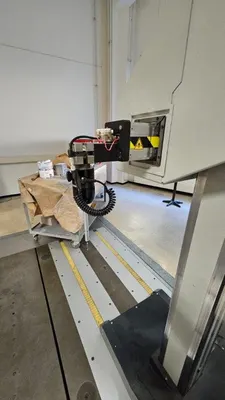
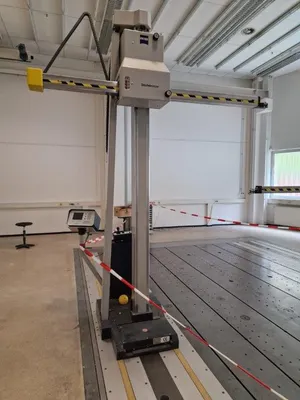
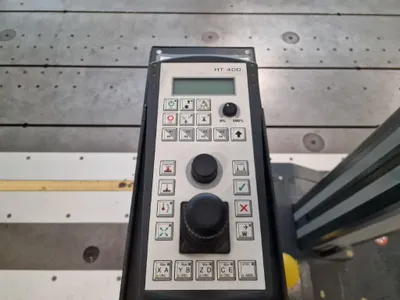
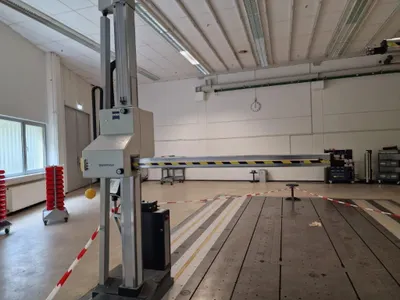
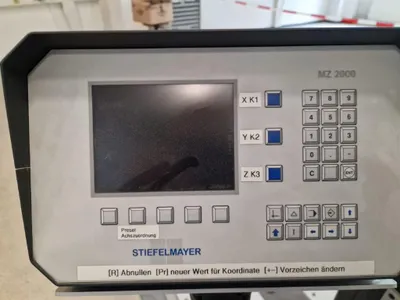
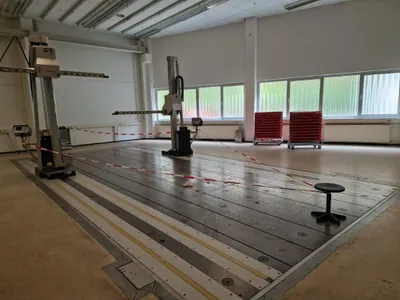





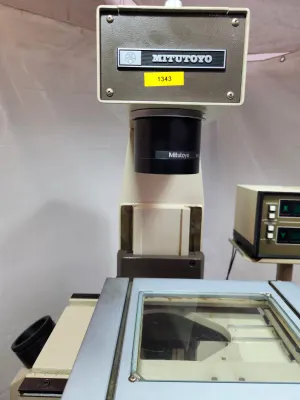
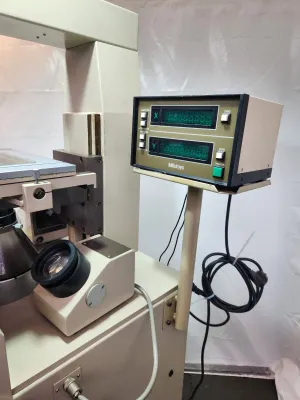
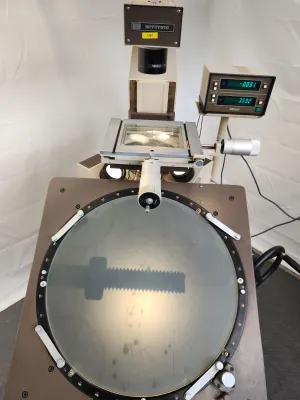
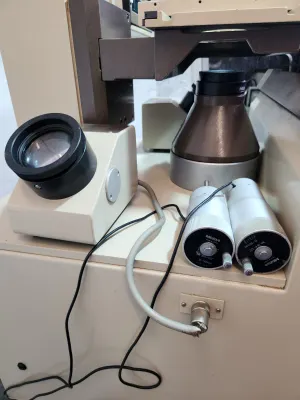
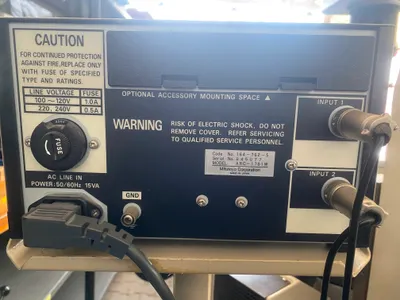
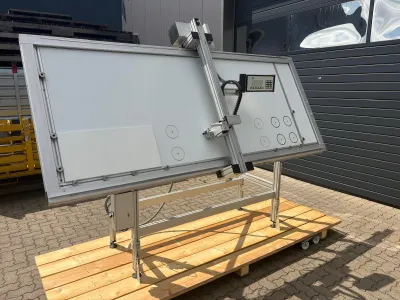
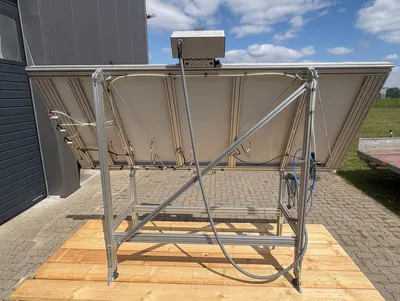
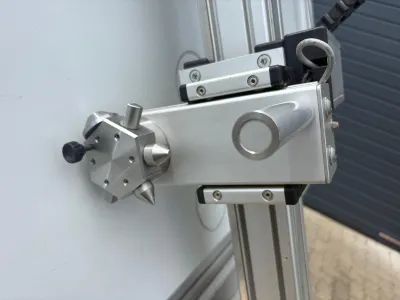
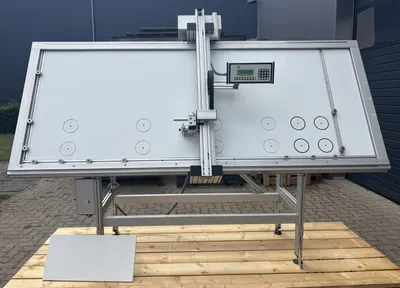
Hüllhorst, Deutschland

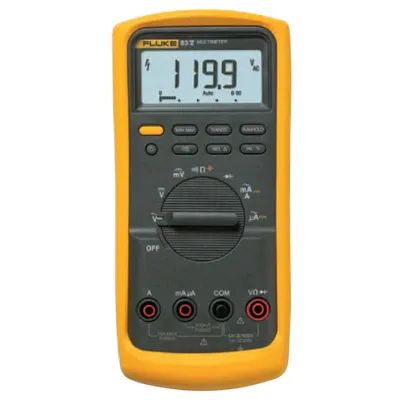
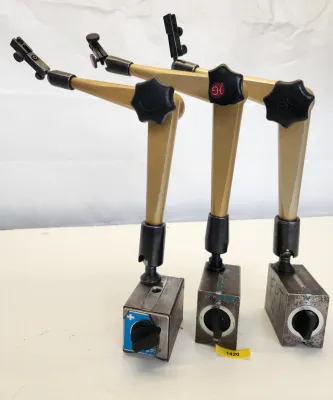
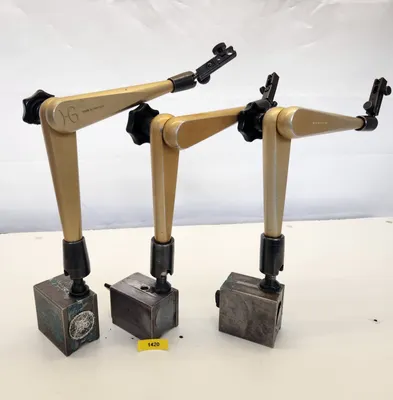

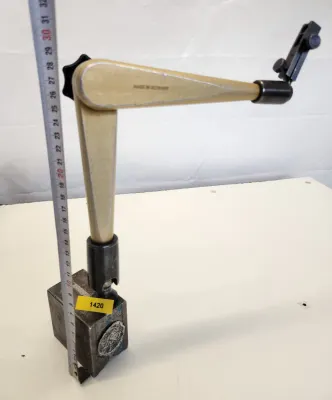
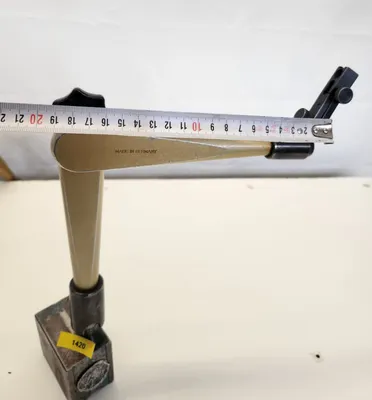
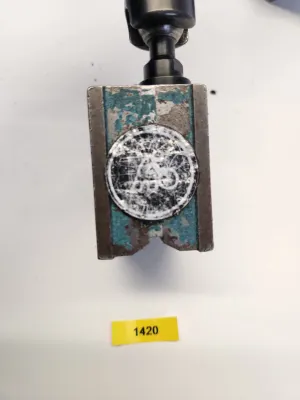
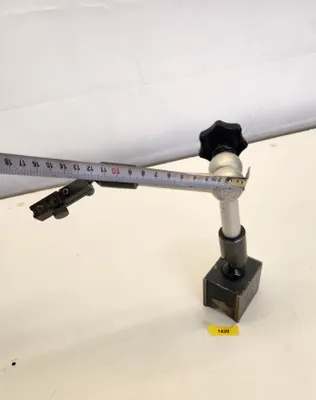
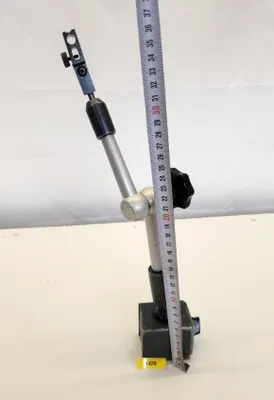
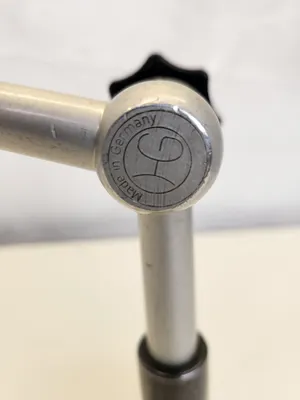
Messenhäuser Straße, Rödermark-Urberach, Deutschland
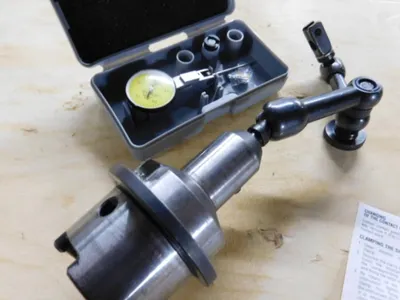
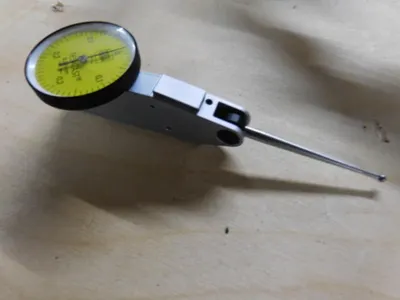
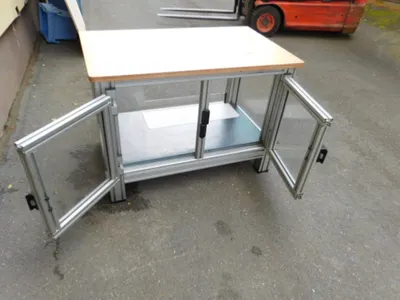
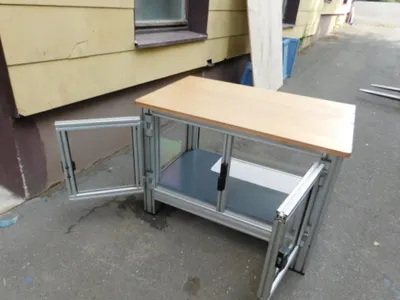
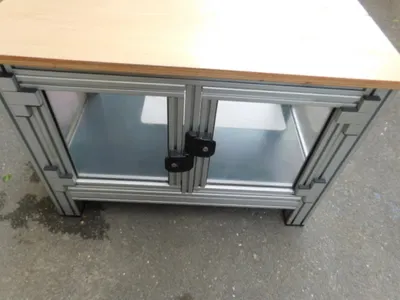
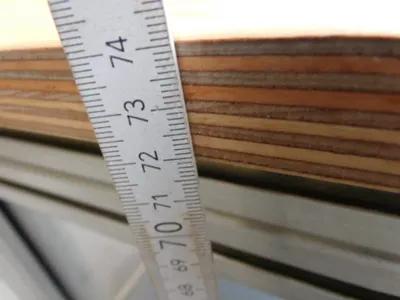
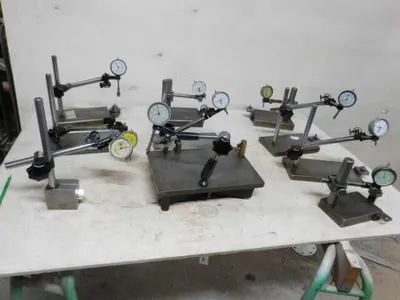
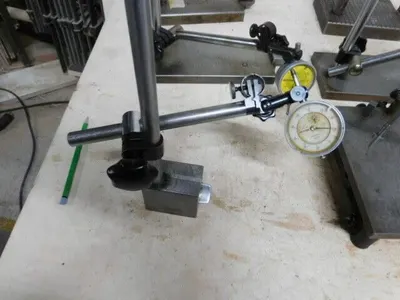
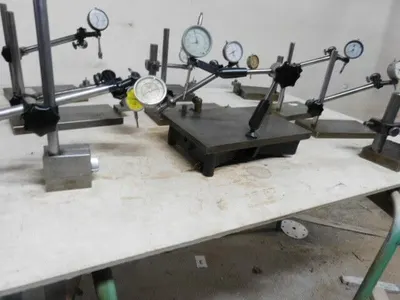
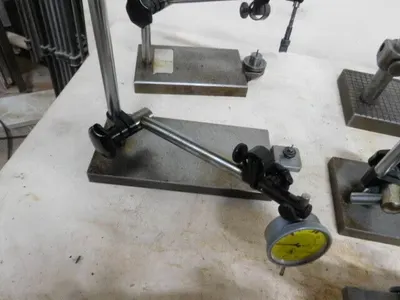
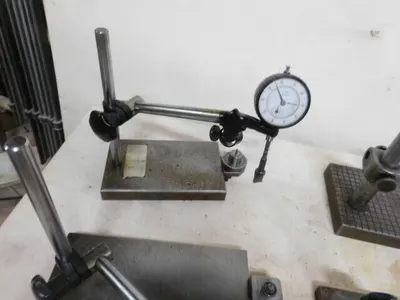
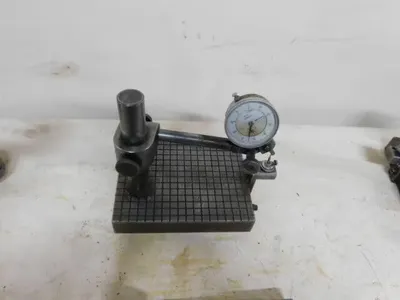
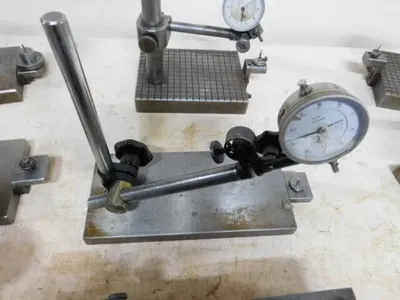
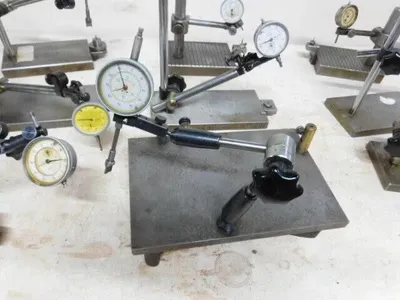
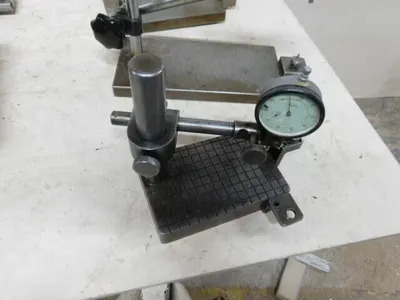
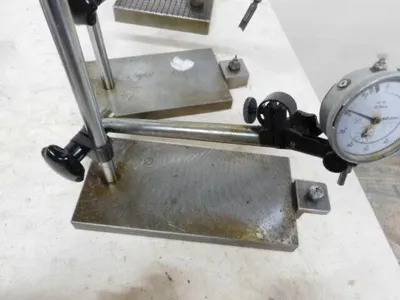
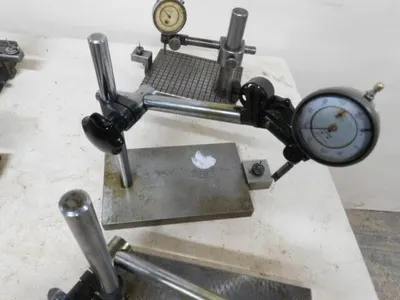
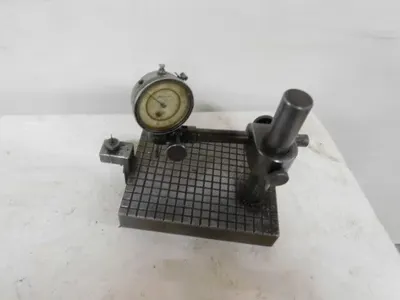

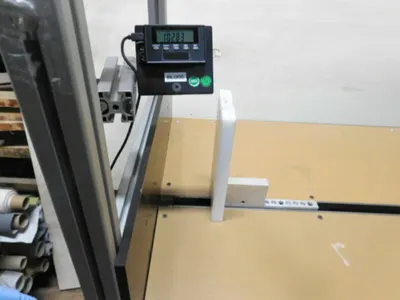
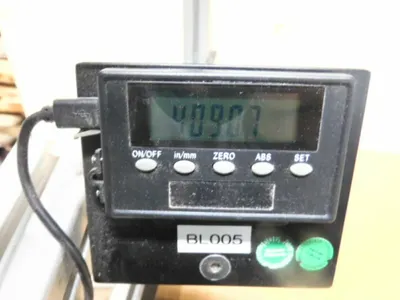
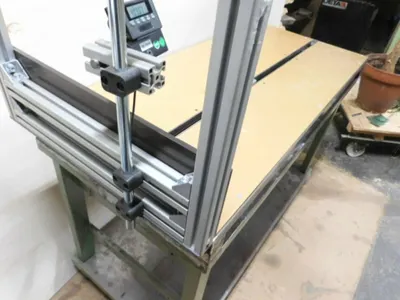
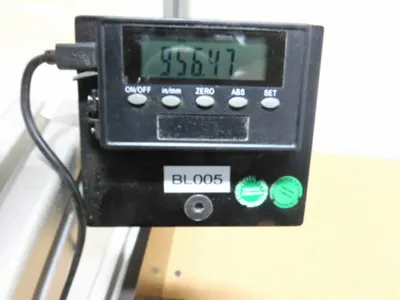
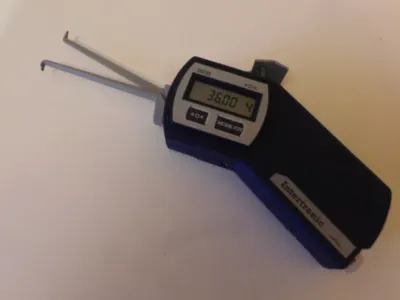
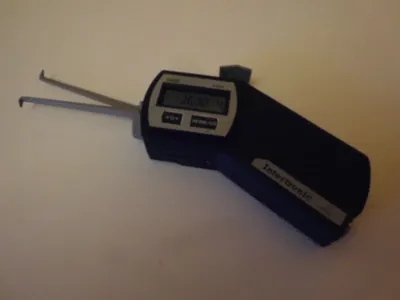
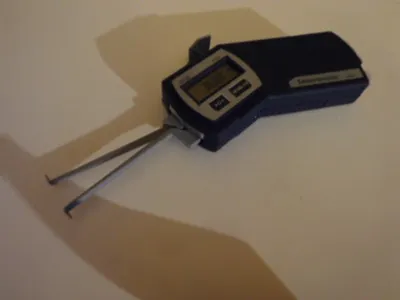
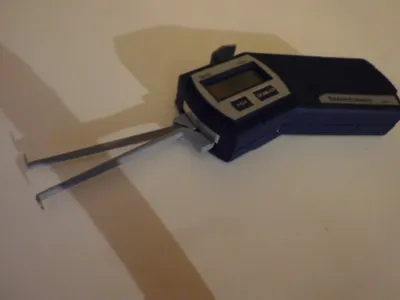
90762 Fürth, Bayern, Deutschland
Laboratory Equipment Suppliers – Precision Instruments
Research laboratories, quality-control departments, and industrial testing facilities need dependable access to laboratory equipment and precision instruments. Finding laboratory equipment suppliers who can deliver consistent quality, clear technical data, and reliable commercial terms is rarely straightforward when sources are scattered across regions and channels.
Arico B2B operates as a B2B marketplace where laboratory equipment suppliers, instrument traders, and industrial buyers connect directly. The platform lists lab equipment for sale, precision instruments, measuring tools, analytical instruments, and related scientific laboratory equipment so procurement teams can review current offers and open conversations without intermediate layers.
Unlike general consumer marketplaces, the focus remains on industrial and commercial quantities, technical documentation, and the terms that matter to laboratory managers and plant engineers. Listings carry location, condition, and product detail so that a buyer can assess suitability before initiating contact.
Industrial buyers searching for precision instruments and laboratory instruments suppliers typically need equipment that supports repeatable measurements under defined conditions. Whether the application is incoming material inspection, in-process monitoring, or final product release, the instrument must deliver results that the quality system can defend. Clear specification data and accessible supplier contact remain more valuable than promotional claims.
You can browse laboratory equipment suppliers currently active on the category page and move from specification review to direct inquiry in a single workflow.
Buy Lab Equipment for Sale from Verified Laboratory Equipment Suppliers
When companies search for laboratory equipment suppliers, they usually need more than a product photo and a price. They need technical data, evidence of calibration or service history, and a clear path to contact the seller. Lab equipment for sale on a B2B platform should therefore present condition, manufacturer, model, and any available certificates in a structured way.
Typical listings cover analytical instruments, precision balances, measuring instruments industrial, optical systems, and laboratory furniture. Buyers who need to move quickly can filter by condition, location, and category. Those planning longer projects often review several offers side by side before requesting detailed quotations.
What laboratory and industrial buyers usually check before purchase:
• Measurement range, resolution, and stated accuracy of the instrument
• Calibration status and availability of certificates from accredited laboratories
• Compatibility with existing software, fixtures, or sample preparation methods
• Service history and spare-parts availability for used equipment
• Power requirements, footprint, and environmental operating conditions
• Supplier location and realistic lead time for delivery or on-site inspection
These practical checkpoints help reduce the risk of buying equipment that looks suitable on paper but fails to match real laboratory or production requirements. Clear listings also save time for suppliers who otherwise answer the same basic questions repeatedly.
Verified laboratory equipment suppliers on the platform typically maintain company profiles that show activity level, response patterns, and the range of products they list. Buyers can use this context when shortlisting instruments that appear technically comparable. Direct inquiry then allows both sides to clarify remaining details such as packaging, transport readiness, and any post-sale support options.
To compare current offers, explore precision instruments and measuring tools listed by verified suppliers on the platform.
Precision Instruments and Precision Measuring Tools
Precision instruments and related measuring systems form the backbone of quality control and process monitoring in many industries. Measuring instruments industrial applications range from dimensional metrology on the shop floor to high-resolution laboratory balances and optical measurement systems. Buyers looking for precision instruments and precision measuring tools typically need traceable accuracy, robust construction, and clear documentation.
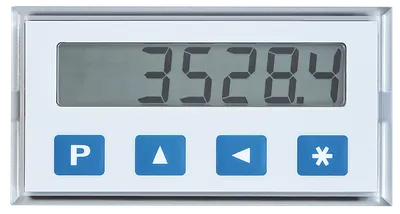
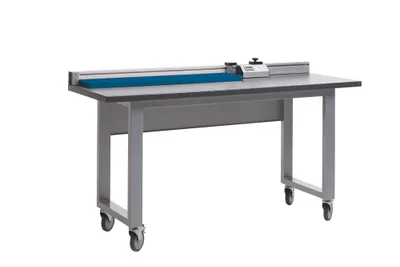
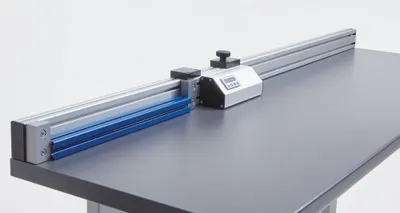
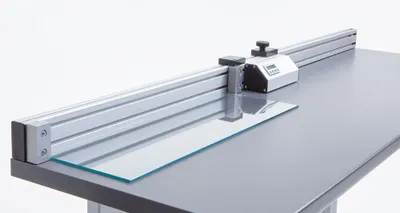
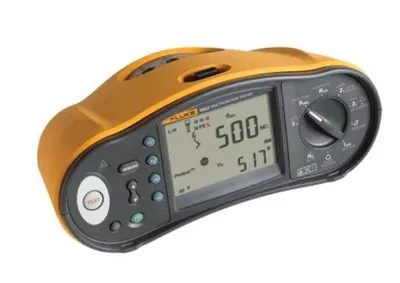
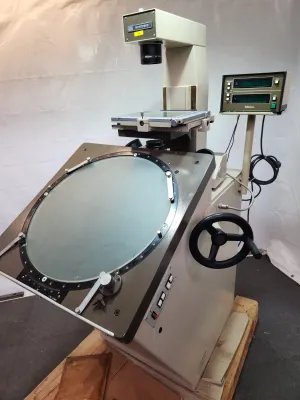
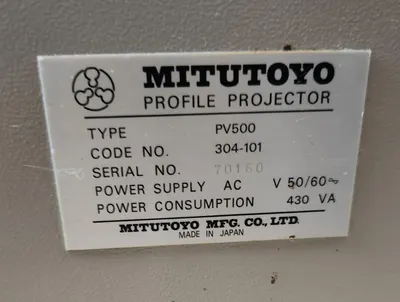
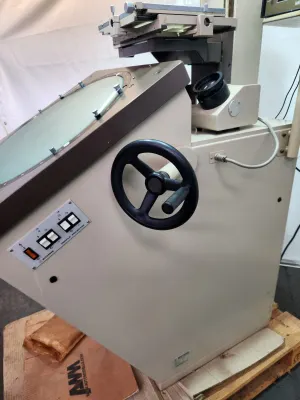
Common categories of precision equipment B2B buyers request include digital calipers and micrometers, height gauges, profile projectors, length measuring tables, thickness gauges, and multi-function electrical testers. Optical laboratory equipment such as measuring microscopes and profile projectors also appears frequently when dimensional inspection of complex parts is required.
Industrial measuring tools differ from basic workshop gauges in the level of documentation and long-term stability expected. A tool used for final inspection or process capability studies usually needs a current calibration certificate and a known measurement uncertainty. Suppliers who list precision instruments with full calibration data give buyers a clearer basis for decision-making.

When evaluating used precision instruments, buyers often request recent calibration reports, evidence of repair history, and confirmation that the instrument still meets its original specifications. New equipment usually comes with manufacturer warranties and full documentation, while used units can offer shorter delivery times and lower capital cost when condition is verified.
Precision equipment B2B transactions also benefit from clear communication about accessories. Many measuring systems rely on specific probes, fixtures, stages, or software modules that may not be included in a base listing. Confirming the complete scope of supply early prevents delays after the commercial agreement is reached.
You can view analytical and testing equipment currently listed and filter by instrument type or condition.
Analytical Instruments and Testing Equipment Industrial
Analytical instruments support chemical, physical, and materials testing in research and industrial quality laboratories. Testing equipment industrial buyers seek ranges from basic pH and conductivity meters to more specialized systems such as spectrometers, calorimeters, and sample-preparation devices. Scientific laboratory equipment in this group must deliver reproducible results under defined conditions.
Procurement teams evaluating analytical instruments and testing equipment usually start with the measurement principle, detection limits, and sample throughput. They then check software compatibility, consumables availability, and the level of operator training required. For regulated environments, the ability to generate audit trails and export data in validated formats becomes equally important.
Testing equipment used in industrial settings often faces harsher conditions than research laboratory instruments. Vibration, temperature variation, dust, and continuous duty cycles can affect long-term stability. Buyers therefore look for robust construction, realistic environmental ratings, and evidence that the instrument has performed under similar conditions elsewhere. Laboratory equipment suppliers who document these points help buyers reduce evaluation time.
Scientific Laboratory Equipment and Laboratory Instruments Wholesale
Wholesale purchasing of scientific laboratory equipment differs from single-unit retail orders. Laboratories and industrial buyers often need multiple identical units, spare parts packages, or complete workstation setups. Laboratory supplies wholesale arrangements also demand clarity on packaging, transport readiness, and any special handling requirements for sensitive instruments.
On a B2B platform, wholesale listings typically indicate minimum order quantities where relevant, available stock levels, and options for repeat or scheduled supply. Buyers planning laboratory fit-outs or multi-site rollouts benefit from suppliers who can coordinate delivery of instruments, furniture, and consumables together.
Key points for wholesale laboratory equipment decisions:
• Consistency of specification across multiple units of the same model
• Availability of calibration services or certificates for the full batch
• Lead times for additional units if the initial order needs expansion
• Support for installation, training, or method transfer when required
Lab furniture suppliers form another important part of the ecosystem. Benches, storage systems, fume extraction, and safety cabinets must match the instrument footprint and workflow. Buyers who source both instruments and furniture through the same platform can align delivery schedules and reduce coordination overhead. Lab furniture suppliers who also list related laboratory supplies give buyers a more complete picture.
To review options for benches, storage, and related items, discover laboratory furniture and supplies listed alongside instruments.
Optical Laboratory Equipment and Dimensional Metrology
Optical laboratory equipment supports non-contact measurement and visual inspection. Profile projectors, measuring microscopes, and related systems remain common in toolrooms, machine shops, and quality laboratories that inspect complex geometries. These instruments bridge the gap between traditional mechanical gauges and full coordinate measuring machines.
When selecting optical laboratory equipment, buyers typically examine magnification range, stage travel, illumination options, and the availability of digital readouts or camera interfaces. Used optical laboratory equipment can deliver strong value when lenses and mechanical stages remain in good condition and calibration is current.
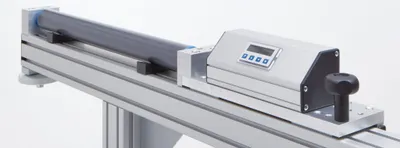
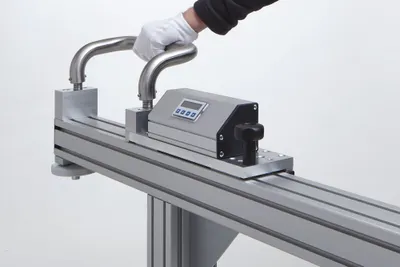
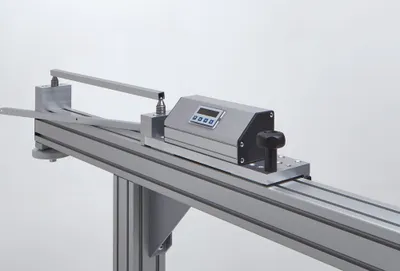
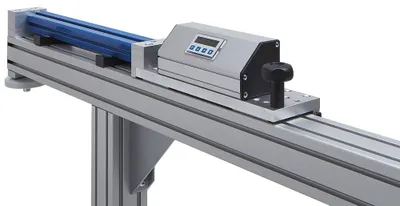
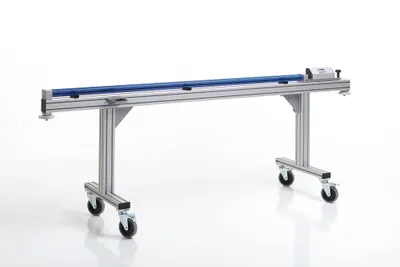
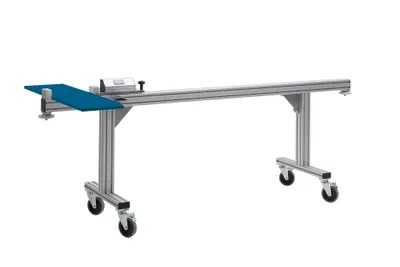
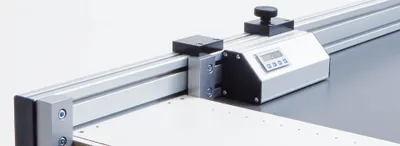
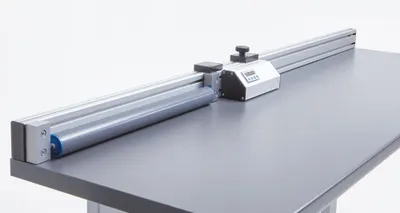
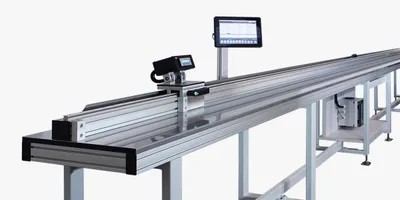
Dimensional metrology tools such as length measuring tables and large-capacity digital gauges address needs that exceed the capacity of handheld instruments. Applications include verification of long extrusions, plates, profiles, and assemblies where a standard caliper or micrometer cannot reach. Accuracy statements and data-output options become critical selection criteria for precision measuring tools.
Related industrial measuring activity often appears in the same projects as machine-tool purchases. Buyers who source both production equipment and inspection tools on one platform can keep metrology capability aligned with the machines that generate the parts. This reduces the chance that a new production process outpaces the laboratory’s ability to verify results.
For complementary shop-floor and laboratory tools, see Related: Industrial tools for precision work in the broader industrial categories.
How Laboratory Instruments Suppliers Support B2B Sourcing
Effective B2B sourcing of laboratory equipment starts with clear requirements. Vague requests generate vague replies. The more precise the instrument type, measurement range, accuracy needs, location constraints, and timeline, the more useful the responses tend to be.
Recommended approach for buyers:
• Define the measurement task, required accuracy, and any applicable standards
• State whether the need is for a single unit, multiple identical instruments, or a full workstation
• Note preferred condition (new, used, refurbished) and any calibration requirements
• Indicate delivery location or preferred origin regions
• Request certificates, service records, or sample measurement reports where critical
• Review current listings before posting a demand advertisement so you understand market activity
Laboratory equipment suppliers benefit from complete listings. Technical data, clear photos, condition notes, and realistic quantity information reduce unnecessary clarification and attract more qualified inquiries. Incomplete listings force buyers to ask basic questions that could have been answered in the product description.
Arico B2B does not become a party to the contracts concluded between users. Commercial terms, payment, delivery, and after-sales arrangements are agreed directly between buyer and supplier. The platform’s role is to make the initial connection efficient and transparent.
Buyers who maintain internal specification templates for recurring instruments can reuse those templates when contacting multiple suppliers. Consistency in the questions asked makes side-by-side comparison of replies more reliable and shortens the evaluation cycle.
Common Challenges When Buying Lab Equipment for Sale
Even experienced buyers encounter recurring obstacles when sourcing from laboratory equipment suppliers. One frequent issue is incomplete technical data in initial listings. Missing model numbers, unclear condition descriptions, or absent calibration information slow the evaluation process and generate extra messages.
Used precision instruments can offer strong value, yet the absence of service history or original manuals increases risk. Buyers mitigate this by requesting recent calibration certificates, photos of the actual unit, and, where possible, a demonstration of key functions. Remote video checks have become a practical alternative when travel is difficult.
Another challenge is matching instrument capability to the real measurement task. An instrument with impressive specifications on paper may prove unsuitable if sample size, environmental conditions, or throughput requirements fall outside its practical range. Clear communication of the intended application helps suppliers propose appropriate alternatives.
Integration with existing laboratory information systems or quality-management software can also create late-stage problems. Data-export formats, connectivity options, and software licensing should be confirmed early when the laboratory relies on automated data capture.
Transport and installation of sensitive analytical instruments introduce further practical considerations. Some systems require climate-controlled shipping, shock monitoring, or specialized unpacking procedures. Confirming these requirements before the commercial agreement prevents damage and unexpected costs at delivery.
Lab Furniture Suppliers and Laboratory Supplies Wholesale
Precision instruments rarely operate in isolation. Most laboratories need ongoing access to consumables, standards, and spare parts. Laboratory supplies wholesale purchasing covers glassware, plasticware, reagents, calibration standards, and replacement sensors. Coordinating instrument and consumable supply reduces the number of separate vendor relationships a laboratory must manage.
Buyers evaluating laboratory supplies typically look for consistent quality, reliable lead times, and compatibility with the instruments already in use. For regulated laboratories, lot traceability and certificates of analysis become essential selection criteria.
Some laboratory equipment suppliers on the platform list both capital equipment and ongoing laboratory supplies. This combination is useful for laboratories that prefer fewer commercial contacts and more consistent technical support across their inventory. It also simplifies the logistics of initial laboratory setup when instruments, furniture from lab furniture suppliers, and first-fill consumables can be coordinated together.
You can find scientific precision equipment and related laboratory supplies in the same category structure.
Why Buyers Choose Laboratory Equipment Suppliers on Arico B2B
Arico B2B functions as a permanent online expo rather than a traditional directory. Laboratory equipment suppliers create company profiles, upload detailed product listings, and reach buyers who are actively searching for laboratory equipment and related instruments. Buyers gain a structured view of current offers without navigating dozens of separate websites.
The platform supports both new and used equipment. This flexibility matters because laboratory and industrial budgets often balance capital cost against delivery time and residual value. Used precision instruments with current calibration can meet many requirements at a lower entry cost, while new equipment provides the latest features and full manufacturer support.
Key advantages for buyers and suppliers:
• Direct contact between parties without mandatory intermediary fees on every transaction
• Listings that can include technical specifications, photos, and commercial terms
• Visibility across multiple industrial categories that frequently interact with laboratory needs
• Ability for suppliers to present both instruments and related furniture or laboratory supplies
For companies that also source production machinery, packaging systems, or material handling equipment, keeping laboratory and precision needs on the same platform simplifies internal coordination. Quality and production teams can share shortlists and align timelines more easily.
To review the full range of current offers, see all laboratory and precision equipment available on the category page.
Connecting Precision Equipment B2B with Broader Industrial Needs
Decisions about laboratory and precision equipment rarely stand alone. Quality-control instruments support production machines; testing equipment validates incoming materials; optical laboratory equipment inspects finished components. Buyers who source across related categories reduce the risk of capability gaps between the shop floor and the laboratory.
Arico B2B’s industrial machines category includes metalworking, woodworking, food processing, and other equipment that often appears in the same projects as laboratory equipment. Measuring tools and related instruments listed by specialist metrology traders complement the machine tools and process equipment found elsewhere on the platform.
Practical next steps for buyers who need both production and measurement capability:
• Map the measurement points in the process that require new or upgraded instruments
• Align accuracy and capacity of the instruments with the tolerances of the production equipment
• Check whether the same laboratory equipment suppliers or related listings can cover both machines and metrology tools
• Confirm calibration and service arrangements that match the expected production volume
This integrated view helps procurement and quality teams avoid situations where a new production line is ready while the inspection capacity lags behind, or where precision instruments are ordered without considering the physical and environmental constraints of the plant.
Practical Checklist for Laboratory Equipment Suppliers and Buyers
A short, repeatable checklist improves the quality of inquiries to laboratory equipment suppliers and reduces later surprises:

Following this sequence helps both sides focus on the information that actually drives a decision. It also makes it easier to document the evaluation process for internal quality or purchasing records.
Laboratories that purchase instruments regularly can turn the checklist into a short internal form. Completing the form before any inquiry keeps the conversation focused and produces a consistent record for audit or budget approval purposes.
Getting Started with Laboratory Equipment Suppliers on the Platform
Buyers can begin by reviewing current laboratory equipment listings, filtering by instrument type or location, and contacting suppliers directly through the platform. Suppliers can create or update company profiles, upload detailed product data, and respond to inquiries from laboratories and industrial users.
Whether the requirement is a single precision measuring tool, a set of analytical instruments, or a broader laboratory fit-out including furniture from lab furniture suppliers and laboratory supplies, the category structure is designed to keep technical information and commercial contact in one place.
Clear specifications, complete listings, and direct communication remain the most reliable path from search to successful procurement. The platform provides the structure; the technical and commercial details stay between the parties who know the application best.
Teams that already use Arico B2B for industrial machines, packaging, or other categories can extend the same workflow to laboratory and precision equipment. Keeping related purchasing activity on one platform reduces the administrative overhead of managing multiple supplier networks and makes it easier to coordinate delivery and installation timelines across departments. Call Arico experts.