




All Categories
Ads On
Energy



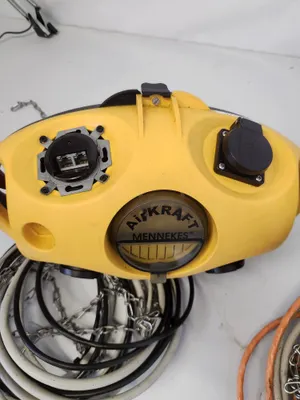
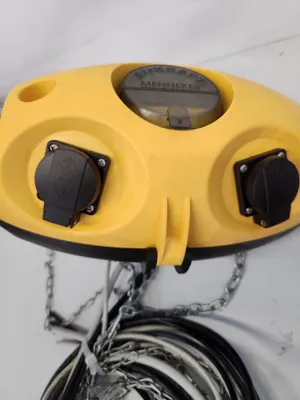
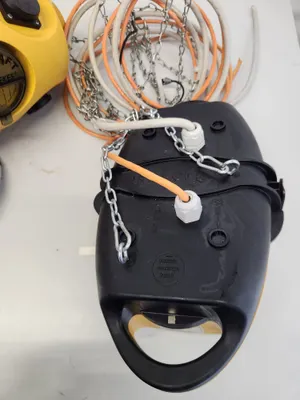
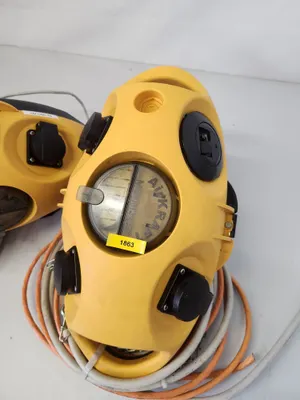
Messenhäuser Straße, Rödermark-Urberach, Deutschland

Energy Equipment Suppliers – Renewable & Industrial Power
Locating reliable energy equipment suppliers for solar arrays, wind installations, storage systems, or conventional power generation equipment often means dealing with fragmented catalogues, incomplete technical data, and long response times. Arico B2B functions as a renewable energy marketplace that brings buyers and energy equipment suppliers together in one structured environment so procurement teams can compare offers, request documentation, and open direct conversations without leaving the platform.
This industrial energy systems marketplace covers renewable energy equipment, power generation systems, solar equipment B2B, wind energy components, energy storage systems, and related power generation machinery. The layout is built for B2B purchasing: clear product data, supplier profiles, and the ability to source both standard packages and project-scale volumes from energy equipment suppliers who understand industrial and commercial power requirements.
Unlike general consumer marketplaces, the focus here stays on industrial quantities, technical specifications, and the commercial terms that matter to plant managers, EPC contractors, and utility procurement teams. Buyers looking for renewable energy systems can review concrete offers, request performance data or certificates, and start conversations about ongoing supply or project delivery rather than one-off samples only.
Browse energy equipment suppliers currently active on the category and move from search to inquiry in a few steps.
Solar, Wind & Energy Storage Solutions
Most industrial and commercial buyers do not purchase renewable energy systems the way a household orders a small rooftop kit. They need documented performance curves, grid-compliance statements, packaging that fits site logistics, and energy equipment suppliers who can support staged deliveries and commissioning windows. Unit price remains relevant, yet a lower quoted cost that arrives with incomplete paperwork or variable component quality quickly raises total project risk.
On Arico B2B, listings of solar equipment B2B and wind energy components are intended for commercial and industrial use. Typical categories include photovoltaic modules and inverters, mounting structures, wind turbine components, battery energy storage systems, and hybrid configurations. Buyers seeking renewable energy systems can filter by subcategory and open conversations about capacity, warranty terms, and lead times directly with energy equipment suppliers who list on the platform.
Solar Equipment B2B for Commercial and Industrial Sites
Solar equipment B2B listings typically include modules, string and central inverters, optimisers, mounting systems for rooftops or ground mounts, and monitoring hardware. Procurement teams evaluating solar equipment B2B look for nameplate data, efficiency figures, degradation rates, and certification marks that match the target market. Energy equipment suppliers who provide complete technical packs reduce the number of clarification rounds before a shortlist is formed.
Project-scale solar purchases often combine modules from one source with inverters or storage from another. The renewable energy marketplace structure allows buyers to review multiple product groups under the same account and keep the inquiry history in one place. This is practical when a single site needs both generation and energy storage systems coordinated under one delivery schedule.
When comparing solar equipment B2B offers, experienced buyers also check temperature coefficients, mechanical load ratings, and the availability of local service partners. Energy equipment suppliers who already work with industrial and commercial clients tend to understand these constraints and can answer questions about string design, shading tolerance, and monitoring integration without requiring a separate engineering study at the first contact stage.
Wind Energy Components and Related Systems
Wind energy components cover blades, nacelle parts, generators, gearboxes, towers, and control systems for both onshore and smaller distributed installations. Buyers sourcing wind energy components through energy equipment suppliers need clear statements of condition for used items and full manufacturing data for new parts. The same category also hosts related balance-of-plant items that support power generation machinery packages.
Because wind projects often involve long lead times and specialised logistics, early contact with energy equipment suppliers who already list wind energy components helps procurement teams align delivery windows with civil works and grid connection dates. The renewable energy marketplace keeps these conversations professional and document-driven.
For used wind energy components, detailed operating-hour records, maintenance history, and remaining design life are essential. Energy equipment suppliers who supply this information up front save buyers the cost of repeated site inspections and accelerate the qualification process for power generation machinery packages that incorporate refurbished or surplus parts.
Energy Storage Systems for Grid and Behind-the-Meter Use
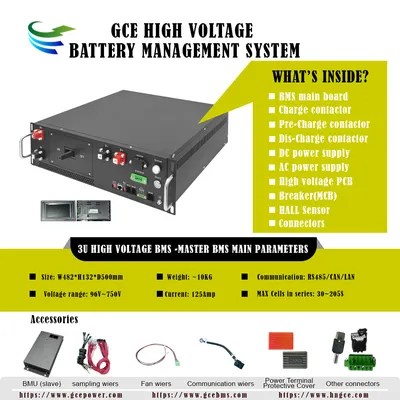
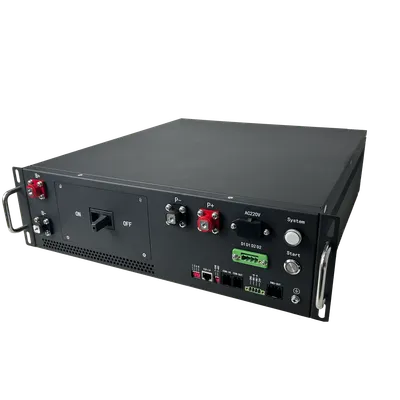
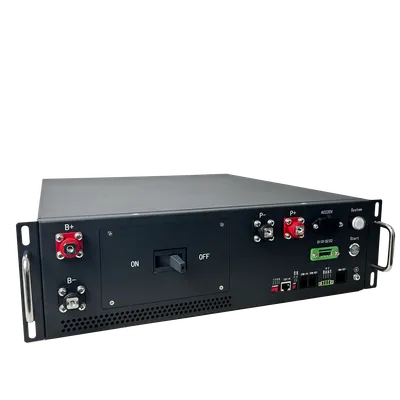
Energy storage systems appear as battery containers, rack-level solutions, hybrid inverters with storage, and associated battery management systems. Buyers evaluating energy storage systems focus on usable capacity, cycle life, round-trip efficiency, and fire-safety documentation. Energy equipment suppliers who can supply both the storage hardware and the interface data for existing power generation machinery reduce integration risk.
Whether the need is peak shaving, backup, or renewable firming, the practical route is to open the energy storage listings, compare the technical envelopes, and start a direct conversation with energy equipment suppliers who understand industrial duty cycles. Grid-forming versus grid-following behaviour, black-start capability, and communication protocols are common discussion points once the capacity range has been agreed.
Hybrid projects that combine solar equipment B2B with energy storage systems benefit from suppliers who can coordinate delivery and commissioning. The renewable energy marketplace supports parallel inquiries so that generation and storage can be qualified together rather than in isolation.
Power Generation Machinery and Conventional Sources
Not every energy project is purely renewable. Many industrial sites still rely on or combine power generation machinery based on conventional sources with newer renewable energy systems. The category therefore includes conventional energy sources such as fossil-fuel generators and related equipment alongside renewable options. Buyers can evaluate power generation machinery for standby, prime, or continuous duty without leaving the same marketplace structure.
Listings of power generation machinery typically state rating, fuel type, emissions class, and control features. Energy equipment suppliers who document these parameters clearly allow buyers to shortlist units that match site requirements and local regulatory expectations. The same inquiry channel works for both new and carefully described used power generation machinery.
Industrial buyers often need power generation machinery that can operate in parallel with renewable energy systems or that can provide black-start capability for critical loads. Clear statements of synchronisation features, load-sharing behaviour, and emissions compliance help energy equipment suppliers and buyers reach a workable specification faster.
Energy Recovery and Combined Heat and Power
Energy recovery systems and combined heat and power (CHP) units address efficiency goals that pure generation equipment cannot meet alone. Buyers looking for energy recovery systems or CHP packages need heat balances, electrical output curves, and integration notes for existing process heat loads. Energy equipment suppliers who list these solutions with complete data sheets help project teams decide whether recovery or cogeneration improves overall plant economics.
The renewable energy marketplace and the broader industrial energy systems marketplace therefore treat recovery and CHP as part of the same decision space rather than isolated product silos. A site that already operates boilers or process heat loops can often improve overall efficiency by adding recovery or a CHP package from energy equipment suppliers who understand industrial duty cycles.
Industrial Energy Systems Marketplace Structure
Arico B2B organises energy-related offerings so that buyers can move from a broad overview into more specific product groups without losing context. The industrial energy systems marketplace covers the following main areas:
• Renewable energy equipment – solar, wind, hydropower, geothermal, and bioenergy utilisation plus related R&D items
• Power generation systems and power generation machinery
• Solar / Wind components and complete packages
• Energy storage systems for grid and behind-the-meter applications
• Energy recovery systems and combined heat and power (CHP)
• Conventional energy sources including fossil-fuel based equipment
• Energy supply and distribution – electrical grids, energy trading interfaces, and network equipment
• Energy efficiency solutions – energy-saving measures, monitoring, and control systems
• Energy consulting and planning services
• Energy certification and auditing support
• Other energy solutions that do not fit the groups above
Each of these groups can be explored through the category filters. Buyers who need a wider industrial context can also move to related areas such as Industrial machines and components when mechanical or electrical balance-of-plant equipment is required alongside the energy core.
How Buyers Use the Renewable Energy Marketplace
Procurement teams typically begin with a short specification note: required capacity or power rating, preferred technology, site constraints, and target delivery window. They then filter the renewable energy marketplace by subcategory, review the listings that match the technical window, and open inquiries with energy equipment suppliers who provide the most complete data. The same account works for parallel inquiries on energy storage systems or power generation machinery when the project needs multiple product types.
Because the platform is designed for B2B use, conversations stay focused on technical fit, documentation, and commercial terms. There is no requirement to route every contact through an intermediate broker. Energy equipment suppliers who respond with clear answers and realistic lead times tend to become preferred sources for repeat or follow-on projects.
Buyers who post demand ads when a required item is not currently listed give energy equipment suppliers an additional signal of active interest. The matching system notifies relevant suppliers, which often brings offers that would not appear through passive browsing alone. This feature is particularly useful for specialised wind energy components, custom energy storage systems, or project-specific power generation machinery.
What to Check Before Ordering Energy Equipment
Industrial and commercial energy purchases carry operational and regulatory weight. The table below summarises points that experienced buyers usually confirm before finalising an order with energy equipment suppliers.

Energy Efficiency, Consulting and Certification
Beyond hardware, many projects need energy efficiency measures, monitoring and control systems, or formal certification and auditing support. Energy equipment suppliers and service providers who list energy-saving solutions, monitoring platforms, or auditing services help buyers close the gap between installed capacity and actual operating performance.
Energy consulting and planning services appear alongside product listings so that project teams can source both the equipment and the advisory input under the same marketplace structure. Energy certification and auditing entries allow buyers to identify providers who understand the documentation required for grid connection, subsidy schemes, or corporate reporting.
These service categories sit next to the core renewable energy equipment and power generation machinery groups, making it practical to keep the full project conversation in one place. A buyer who needs both solar equipment B2B and an independent performance audit can open parallel inquiries without switching platforms or accounts.
How Suppliers Benefit from the Platform
Energy equipment suppliers gain a structured channel to present solar equipment B2B, wind energy components, energy storage systems, and power generation machinery to an international B2B audience. Complete profiles and detailed listings improve visibility in search and matching. When a buyer inquiry arrives, the supplier can respond with technical clarification and commercial terms without intermediate layers.
The same tools support both continuous product catalogues and project-specific offers. Suppliers who maintain accurate data on renewable energy systems and respond promptly tend to build longer-term relationships with procurement teams that return for expansions or additional sites.
For manufacturers and distributors of power generation machinery or energy storage systems, the platform also reduces the cost of reaching qualified industrial buyers in regions where a permanent local sales presence would be expensive. Listings remain visible, and the matching system surfaces relevant demand ads automatically.
Related Categories and Cross-Sourcing
Energy projects rarely exist in isolation. Buyers often need mechanical or electrical balance-of-plant equipment, packaging for components, or transport solutions. From the energy section you can move to related categories such as Industrial machines and components when generators, switchgear, or fabrication equipment are required, or to Packaging when specialised crates or protective systems are needed for modules and storage units.
The same account and inquiry process apply across categories. This keeps the conversation coherent when a single project draws on renewable energy systems, conventional power generation machinery, and supporting industrial equipment. Buyers who manage multi-category projects under one login reduce the administrative overhead of coordinating separate supplier relationships.
Frequently Asked Questions
What types of energy products appear on the platform?
Listings cover renewable energy equipment (solar, wind, hydropower, geothermal, bioenergy), power generation systems and power generation machinery, solar equipment B2B, wind energy components, energy storage systems, energy recovery systems, CHP units, conventional energy sources, energy supply and distribution equipment, energy efficiency solutions, consulting and planning services, certification and auditing support, and other energy solutions. Both new and carefully described used equipment are accepted when technical information is complete.
How do I verify energy equipment suppliers?
Review the company profile, location, number of active listings, and the detail level of each ad from energy equipment suppliers. Request additional documentation, certificates, or performance data before committing. Direct contact allows you to clarify technical and commercial points without intermediaries on this renewable energy marketplace.
Can I source both renewable energy systems and conventional power generation machinery?
Yes. The industrial energy systems marketplace includes renewable energy systems, solar equipment B2B, wind energy components, energy storage systems, and conventional power generation machinery under the same category structure. Buyers can manage multiple product groups under one account.
Is the platform suitable for project-scale or bulk purchases?
The structure supports volume inquiries and multi-unit projects. Provide clear specifications, capacity requirements, and delivery windows in your inquiry so energy equipment suppliers can respond with realistic commercial proposals for renewable energy systems or power generation machinery.
How do I see all energy products currently listed?
Open the main energy category, then use the filters for renewable energy equipment, power generation systems, solar / wind components, energy storage, or the other sub-groups. You can also use the suggested anchors to browse energy equipment suppliers, explore renewable energy systems, or see all energy products in one view.
Is the renewable energy marketplace limited to one country or region?
No. Arico B2B is designed for international B2B trade of energy equipment. Energy equipment suppliers and buyers from different countries use the same category structure. Always confirm origin, transport classification, grid standards, and import requirements for the destination market before finalising an order. Documentation and Incoterms should be agreed early when cross-border shipments are involved.
What should I prepare before contacting energy equipment suppliers?
A short note that states the required capacity or power rating, preferred technology (solar, wind, storage, CHP, or conventional), approximate quantity or project size, preferred packaging or container format, and destination country already answers most of the questions energy equipment suppliers need for a first response. Attaching or referencing a target specification sheet speeds the conversation further on the renewable energy marketplace.
Start Sourcing with Energy Equipment Suppliers on Arico B2B
Whether you need solar equipment B2B for a commercial rooftop, wind energy components for a distributed installation, energy storage systems for peak management, or power generation machinery for industrial standby, the practical route is the same: open the relevant category on the renewable energy marketplace, review the listings that match your specification window, and start a direct conversation with energy equipment suppliers. Clear technical data and professional contact channels reduce the time between identifying a need and qualifying a workable source.
The industrial energy systems marketplace is structured so that the next step is always a concrete inquiry rather than another round of catalogue hunting. Energy equipment suppliers who maintain complete profiles and respond to technical questions with the same care used for commercial quotes tend to become the preferred contacts for repeat business in renewable energy systems and related power equipment.
Browse energy equipment suppliers on the main category, then explore renewable energy systems or see all energy products as your requirements dictate. From there you can move into solar equipment B2B, wind energy components, energy storage systems, power generation machinery, energy recovery, CHP, efficiency solutions, or consulting and certification services.
Arico B2B – permanent online trade fair and renewable energy marketplace for industrial and commercial buyers and energy equipment suppliers.